Night Vision Optics
Showing all 17 results



Night Vision Optics Buyer’s Guide
Night vision is one of the highest-impact pieces of gear you can add to a low-light kit — but it’s also the easiest place to spend the wrong money on the wrong setup. The right choice depends on what you’ll do with it, how much you can spend, and whether you’re buying a complete unit off the shelf or building one to spec. This category is the top-level hub for analog night vision optics: monoculars, dual-tube goggles, bare image intensifier tubes, and digital night vision. The dedicated guides under each subcategory go deeper on the technology, the tube specs, and the specific products — start here to figure out which format fits your use case, then drill in.
The Four Ways to Run Night Vision
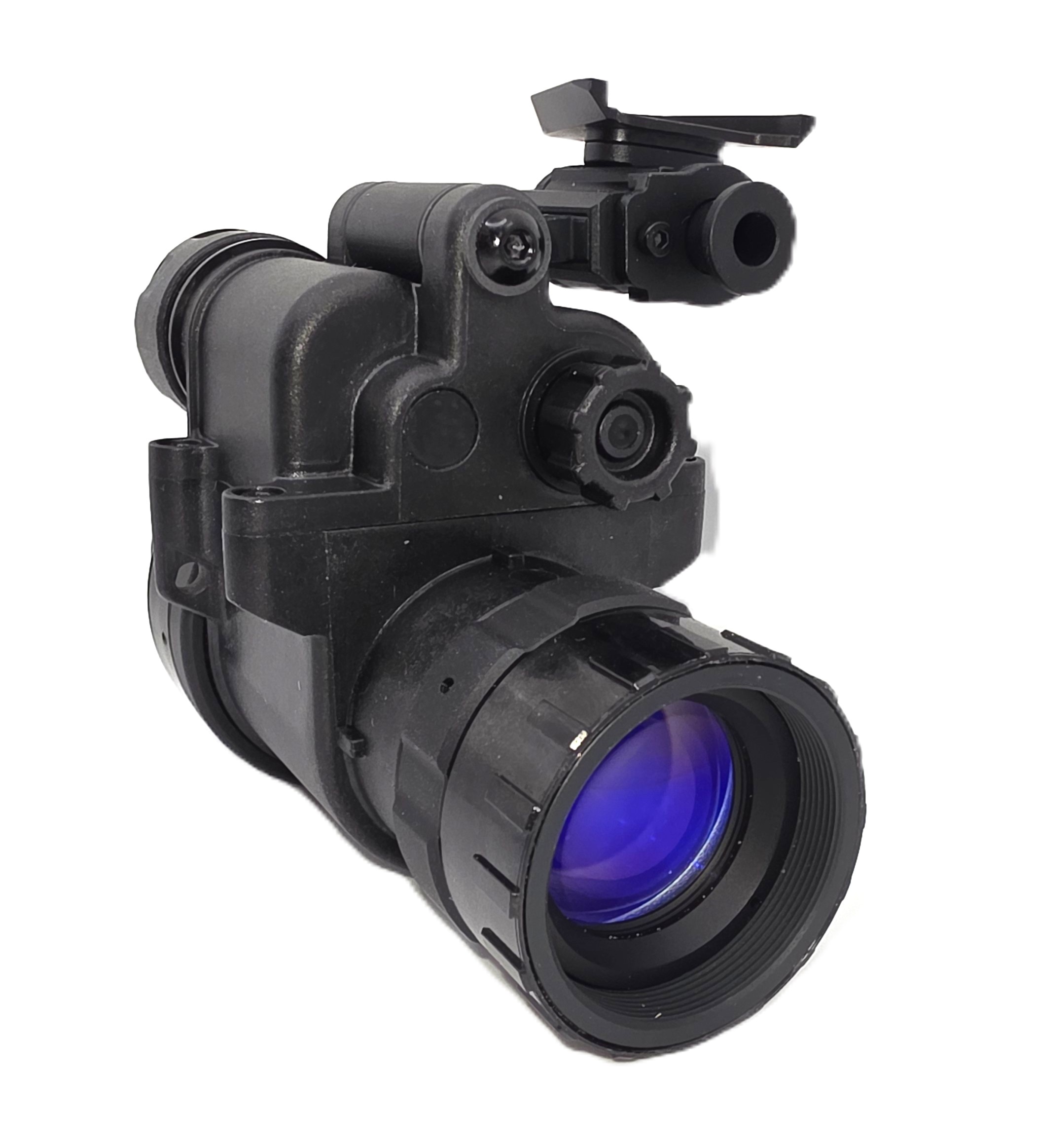
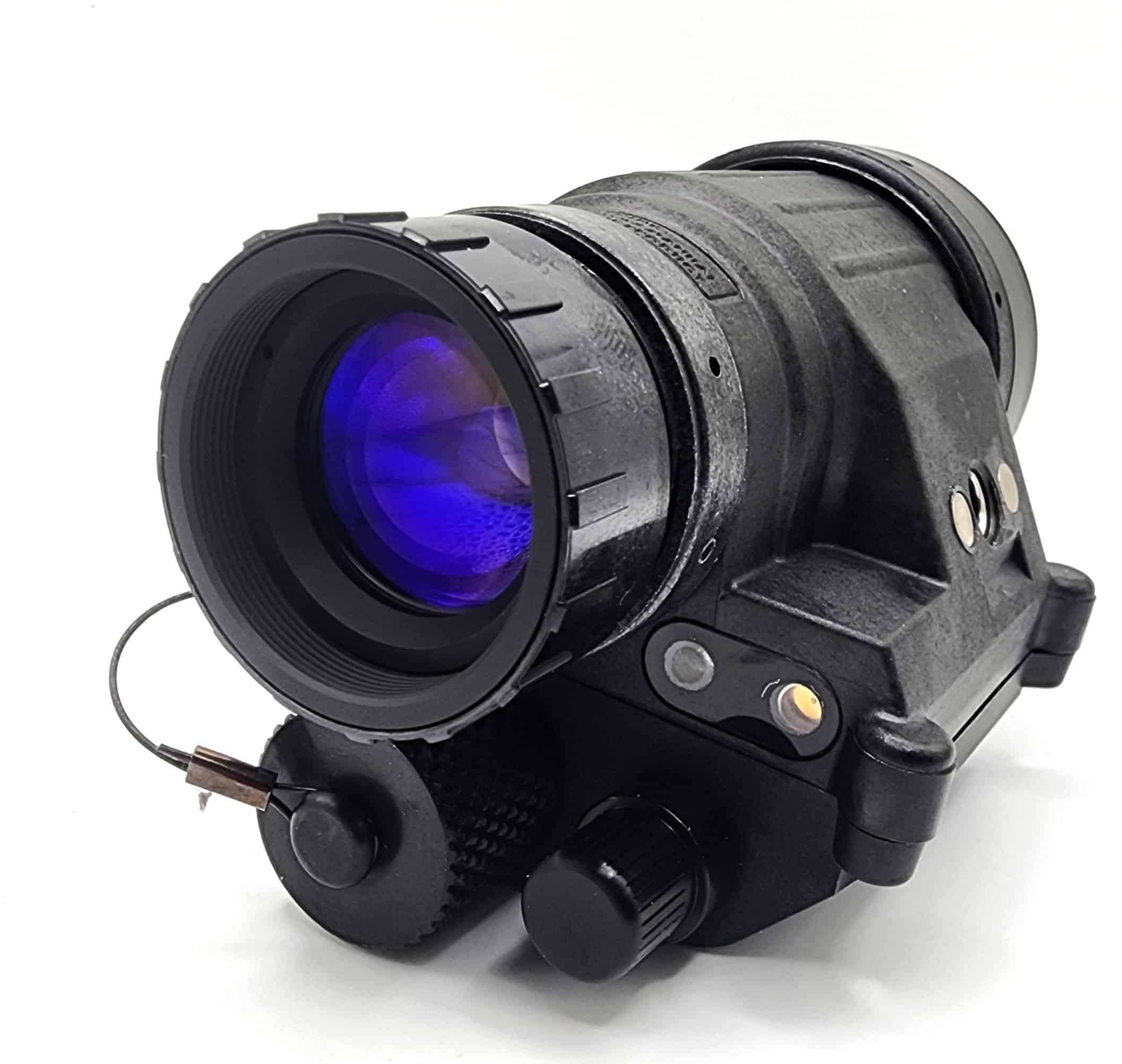
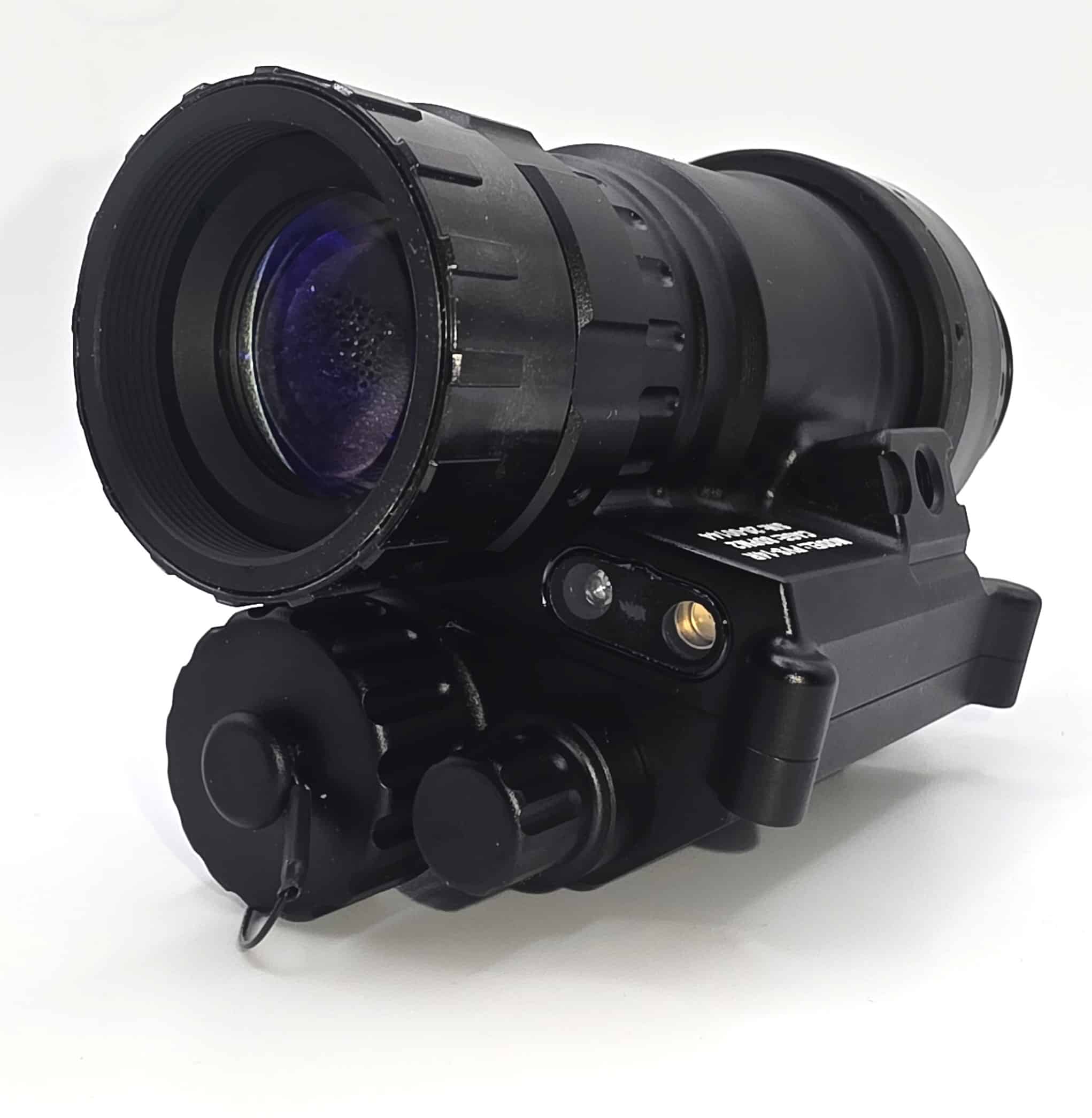
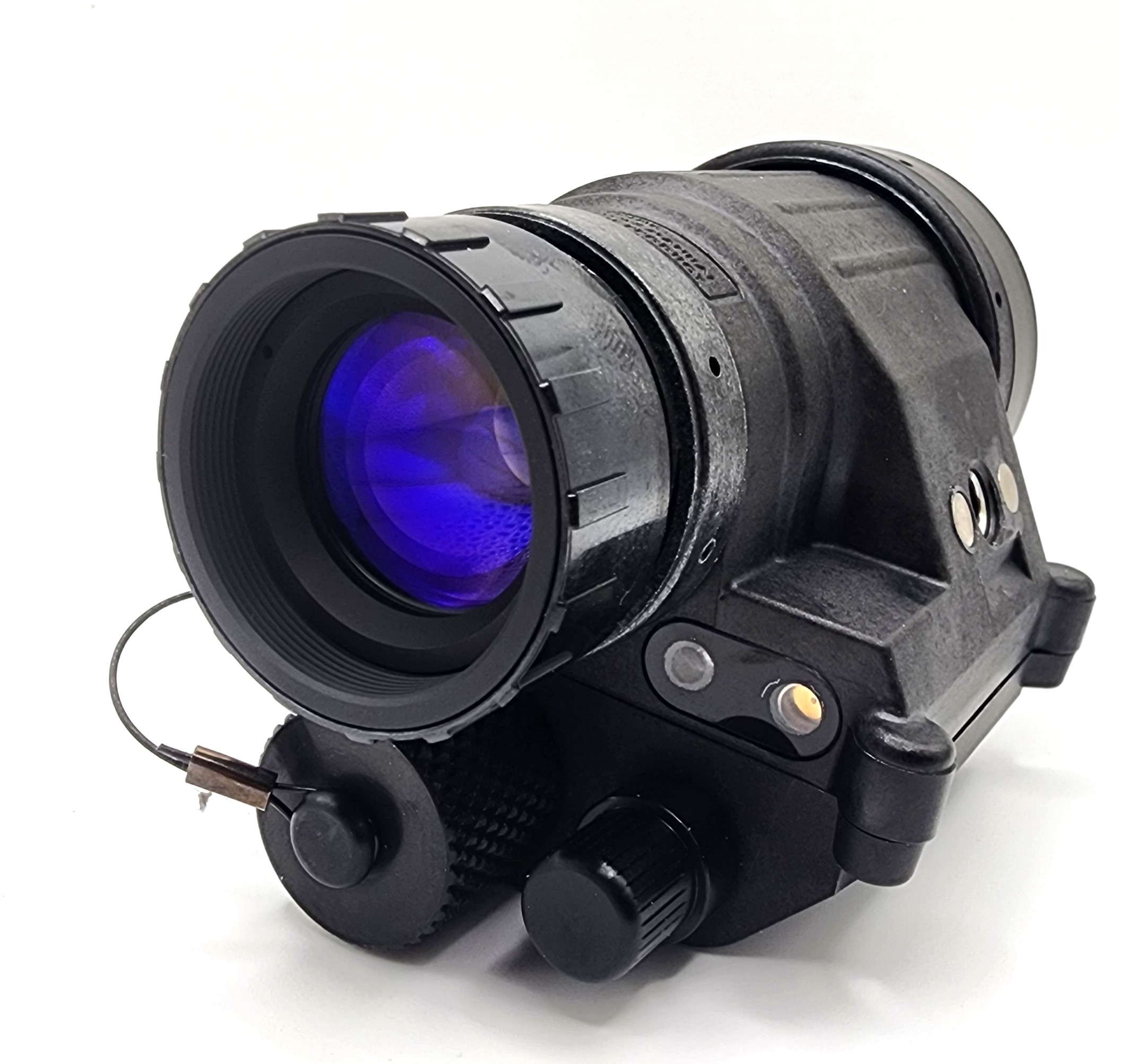
Single-Tube Monocular (PVS-14)
One image intensifier tube in a PVS-14-pattern housing. Worn helmet-mounted on a J-arm and shroud, head-mounted with a skull crusher, or used handheld for scanning. Lighter and roughly half the cost of dual-tube goggles. The trade-off is no depth perception under night vision, but you keep your unaided eye open for situational awareness, which many experienced users actually prefer for extended use. The most versatile entry point into night vision and the format we recommend for most first-time buyers. Browse the Night Vision Monoculars category.
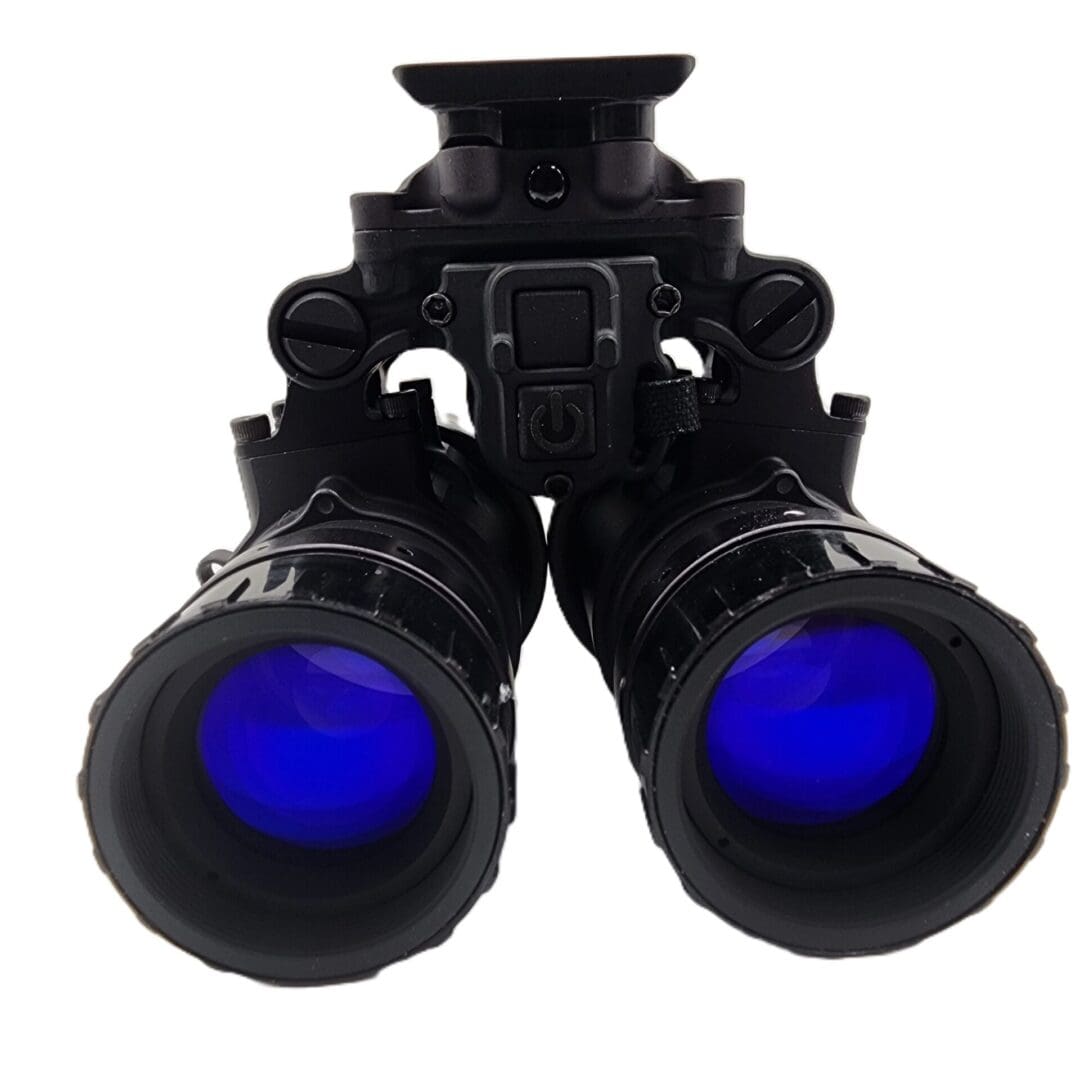
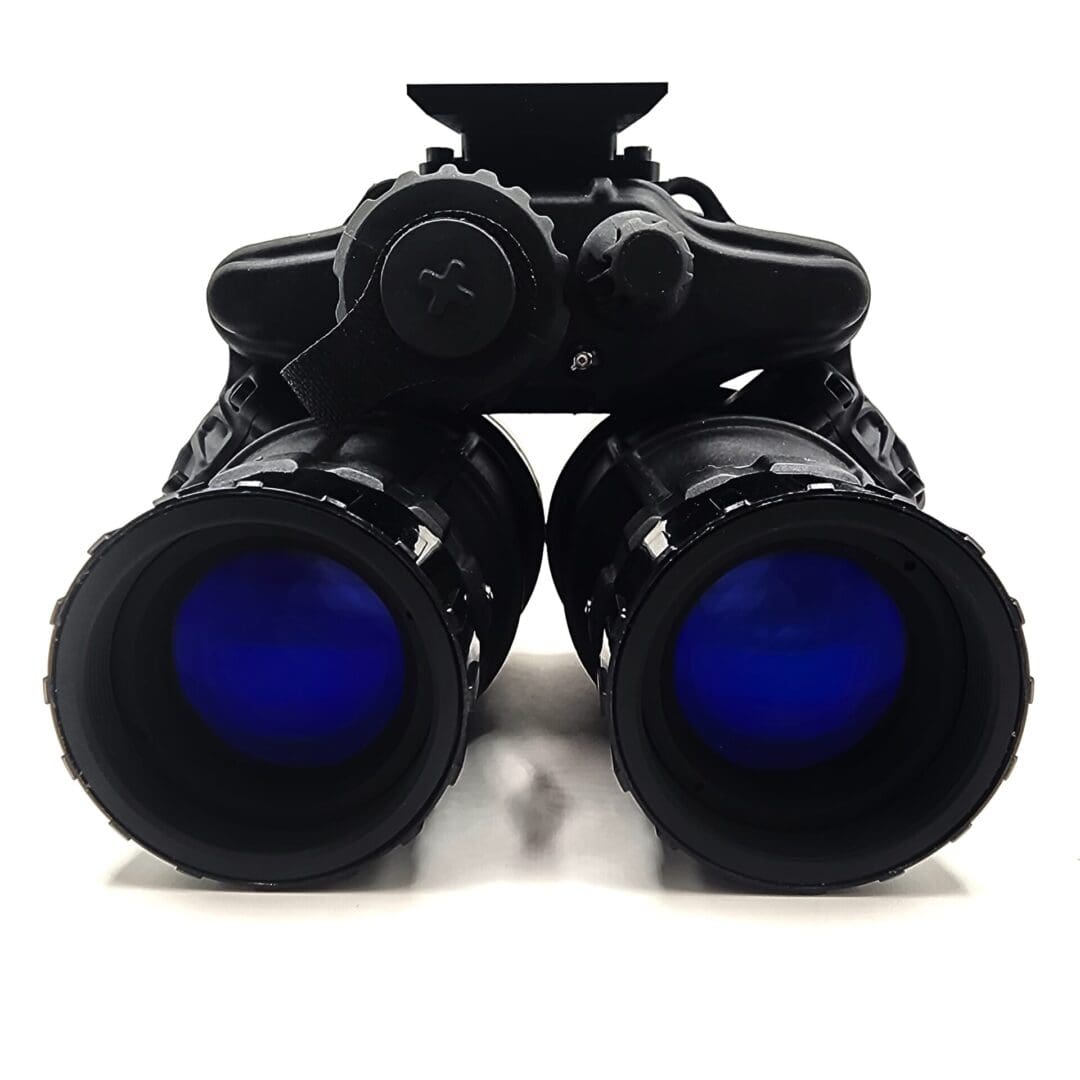
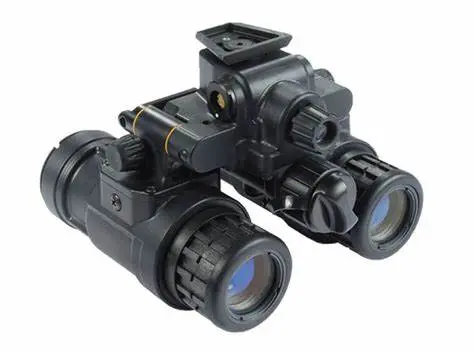
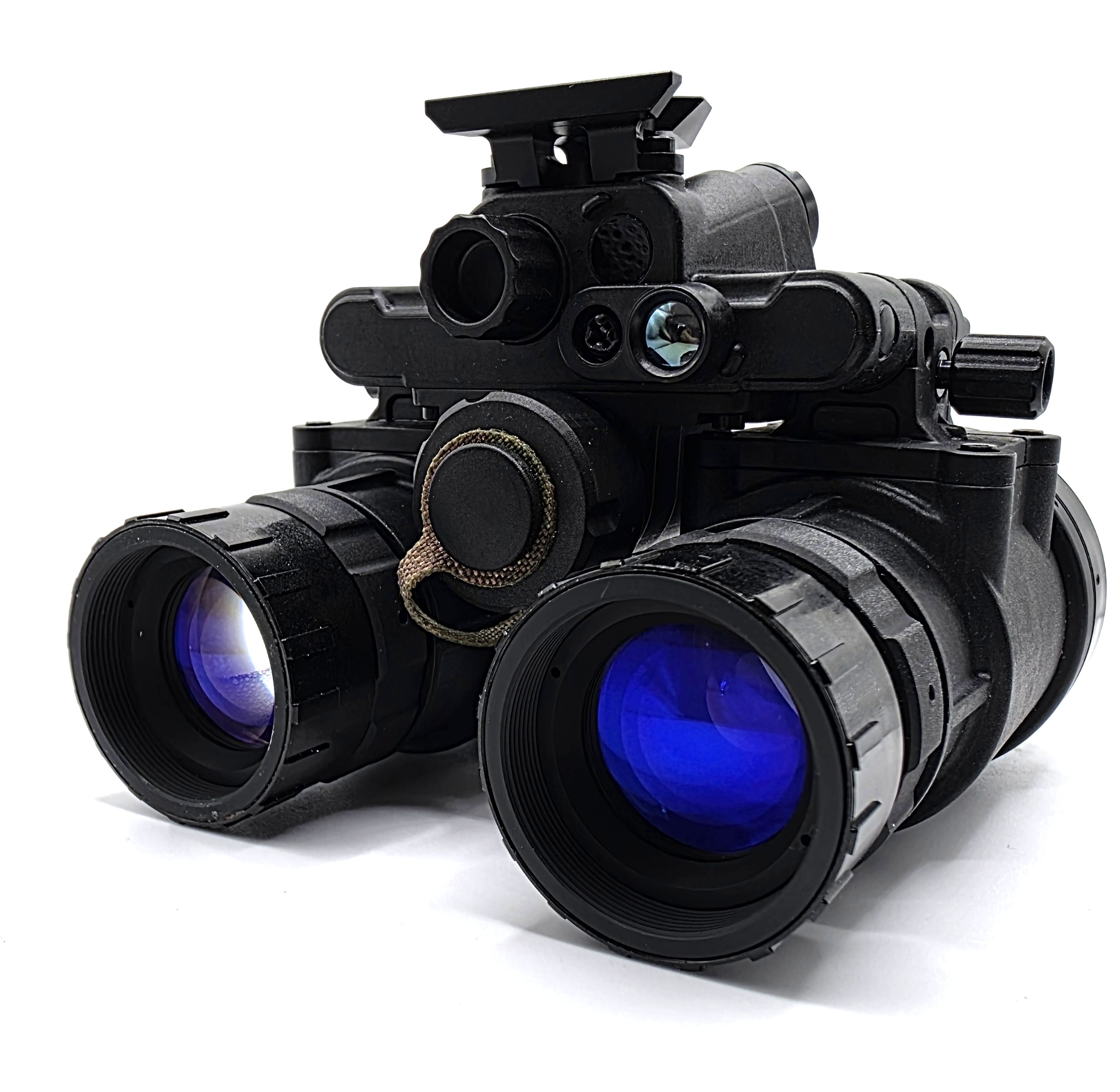
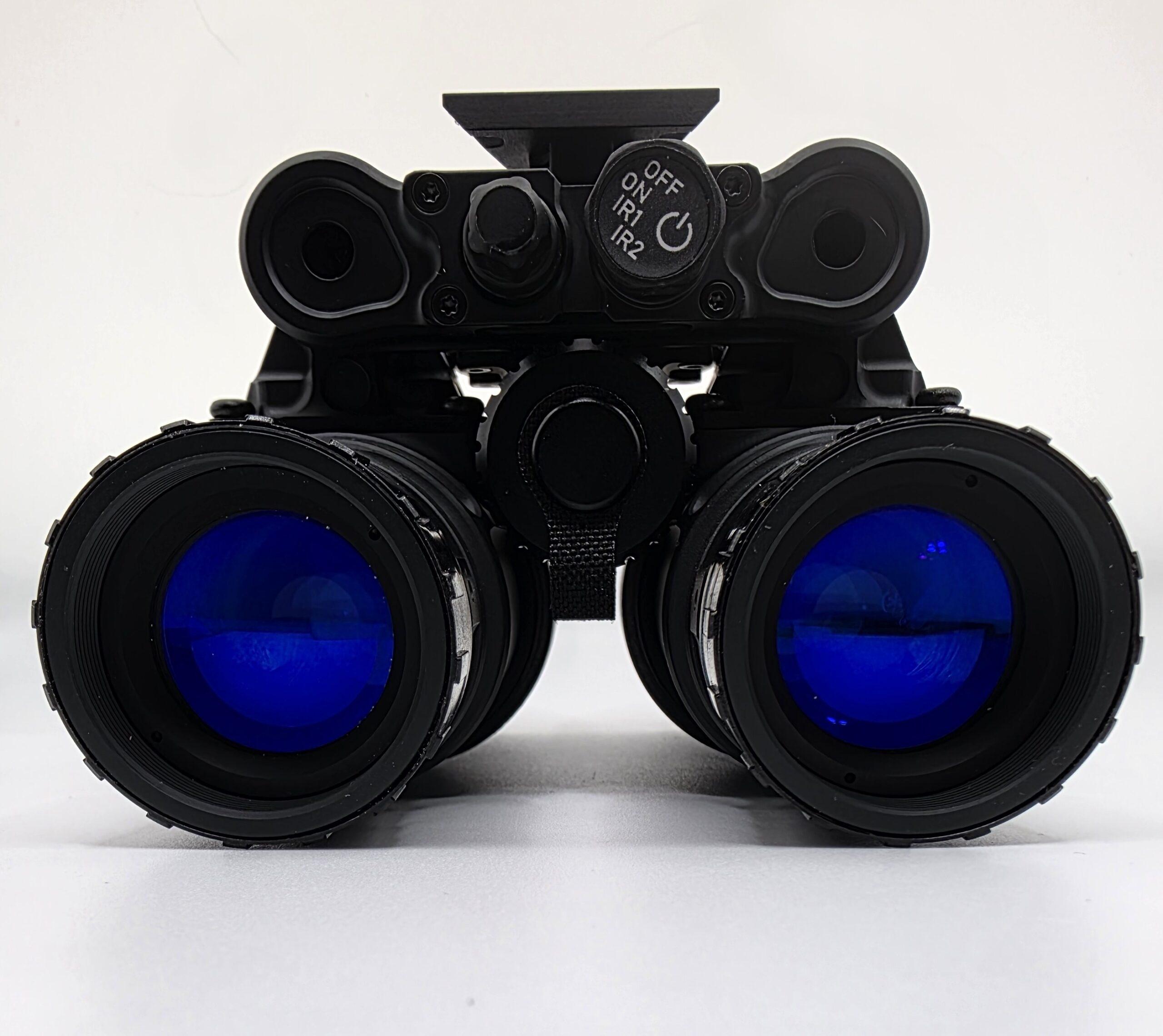
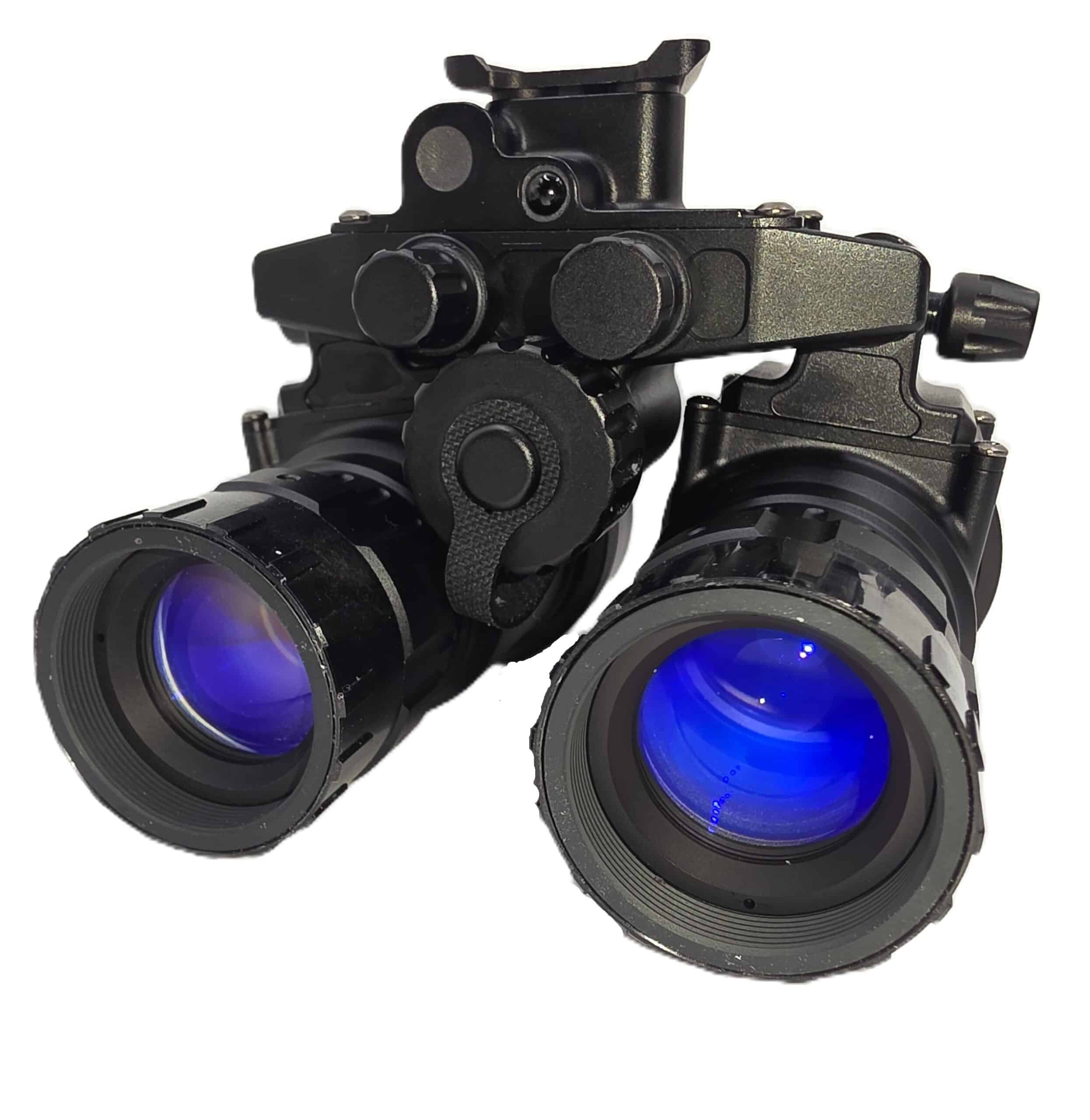
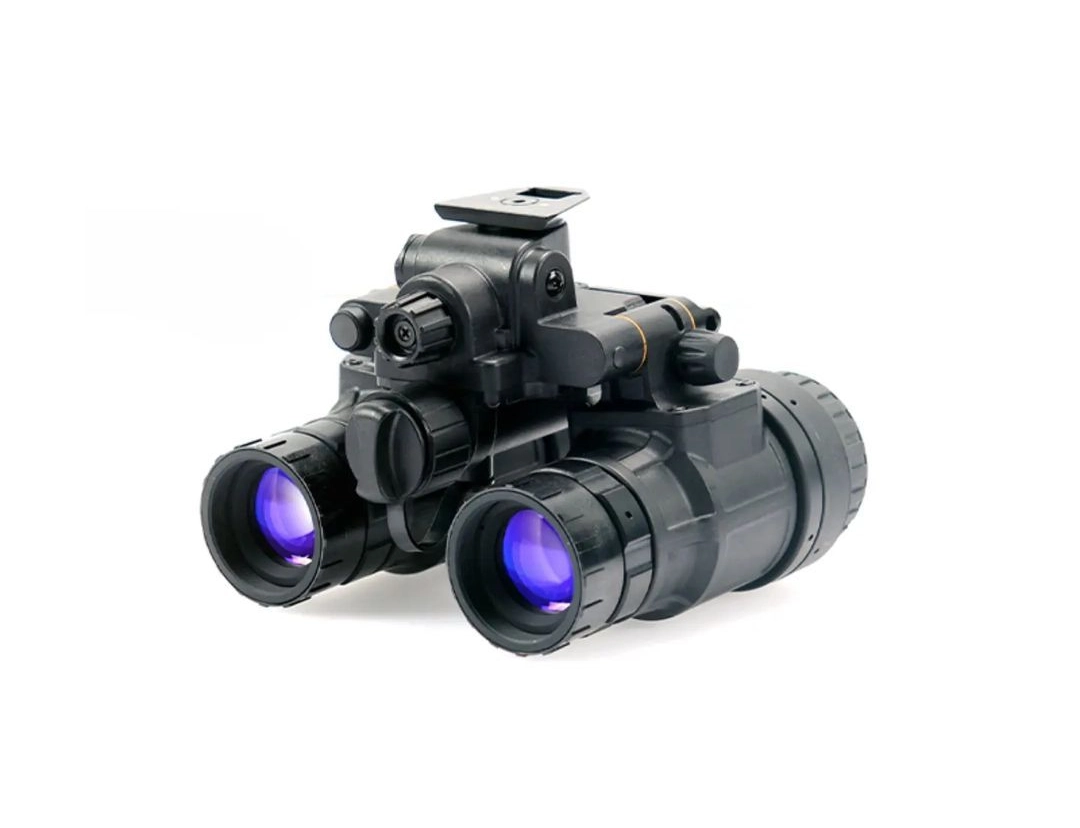
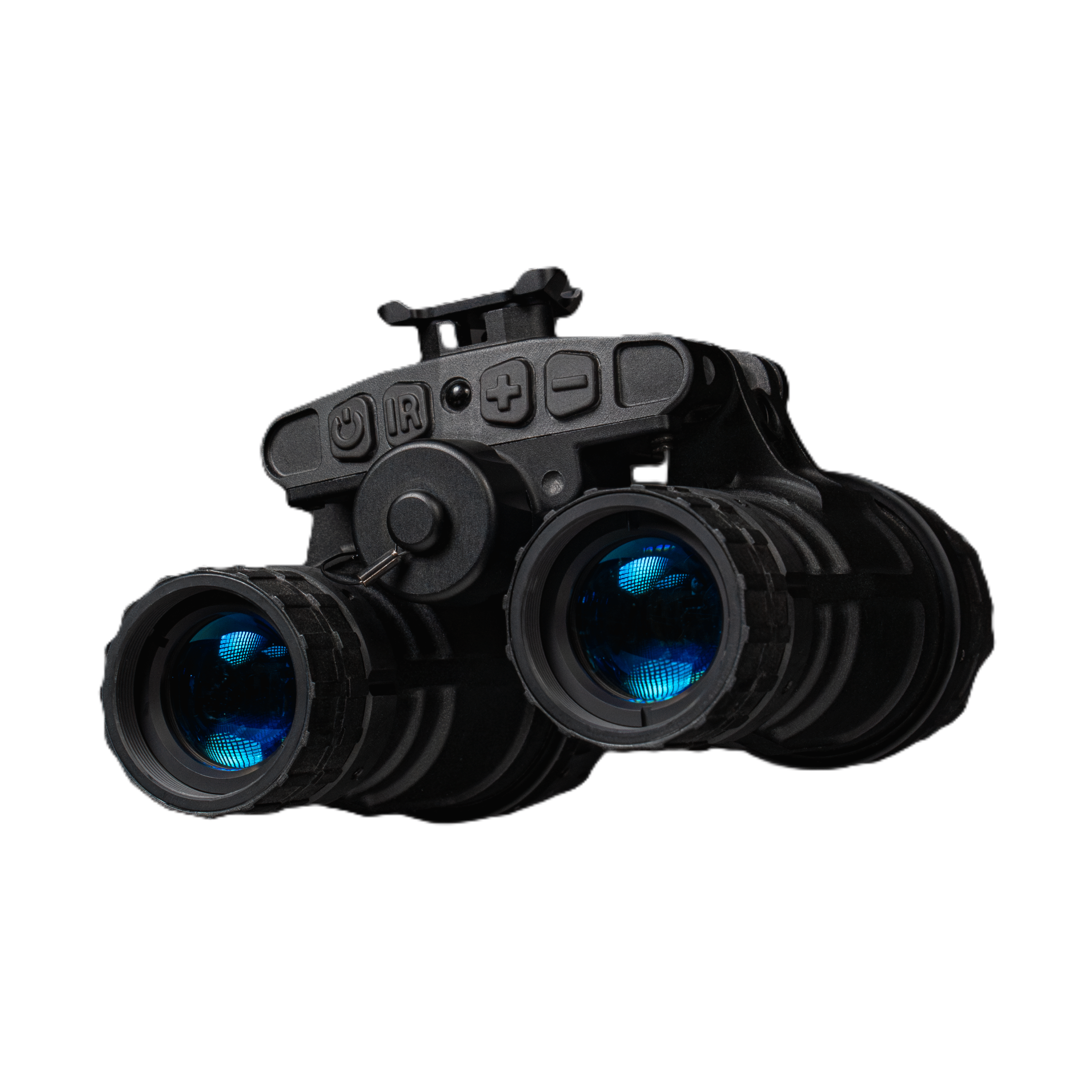
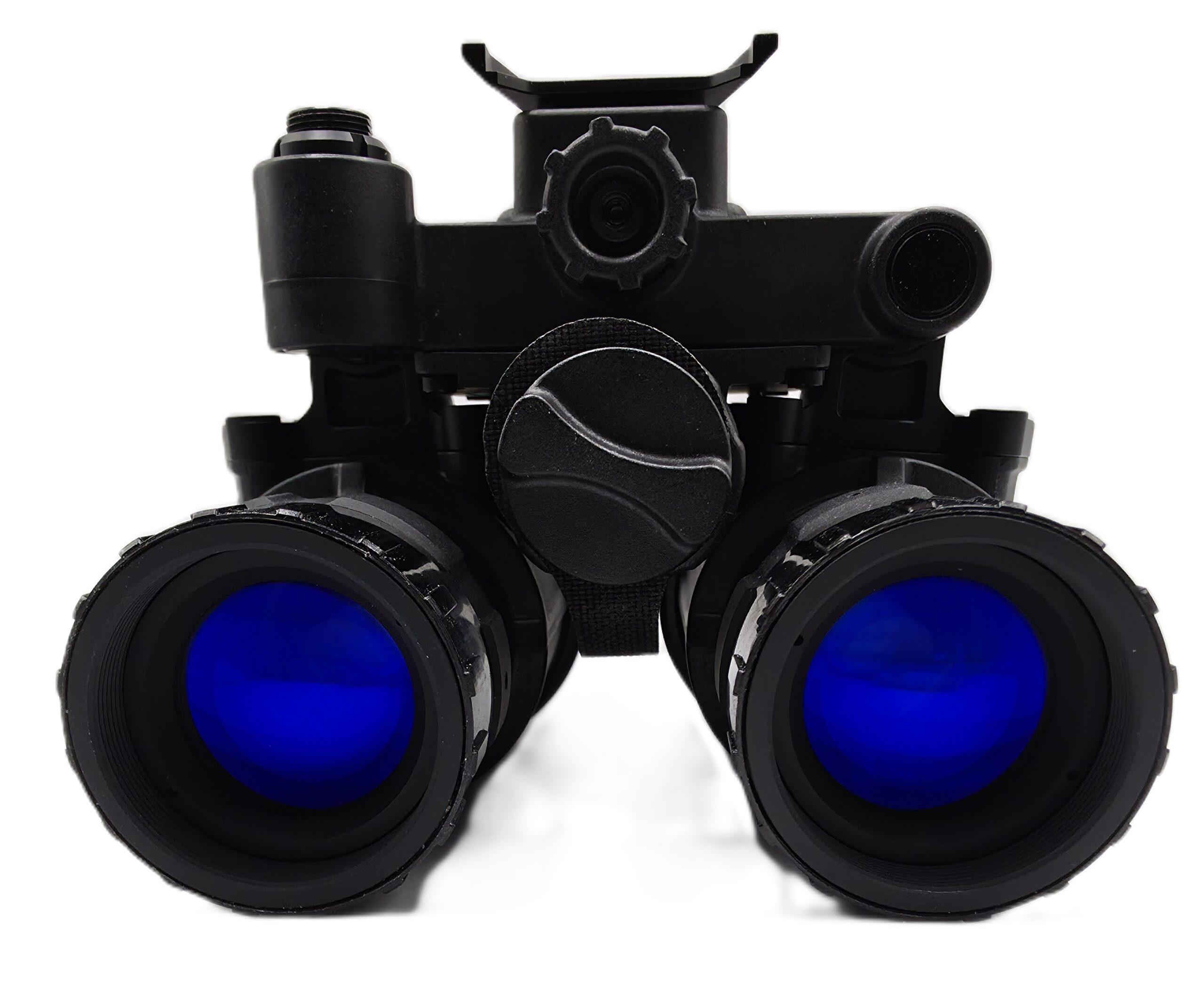
Dual-Tube Goggles (RNVG, ANVB, DTNVS, BNVD-style)
Two tubes, two eyepieces, one image per eye — full binocular night vision with depth perception and the visual experience the U.S. military uses. Heavier and roughly twice the cost of a comparable monocular, but worth it if you’ll be moving through complex terrain, driving under NV, or doing extended work where stereo depth perception matters. Most modern goggles articulate (the pods independently rotate up out of the way), include manual gain control, and accept the same MX-11769 form-factor tubes used in PVS-14s. Browse the Night Vision Goggles category.
Custom Builds from Bare Tubes
Buy the image intensifier tube separately and pair it with a housing of your choice — a hand-built PVS-14, an aftermarket goggle housing, or a custom rifle-mounted device. This is also how tube upgrades and repairs work: swap a Gen 2+ for a Gen 3, move to a higher-FOM tube, or replace a damaged or contaminated tube without replacing the whole device. Browse the Image Intensifier Tubes category for L3Harris, Elbit, Photonis, and NNVT options across both common form factors (MX-11769 with manual gain, MX-10160 without).
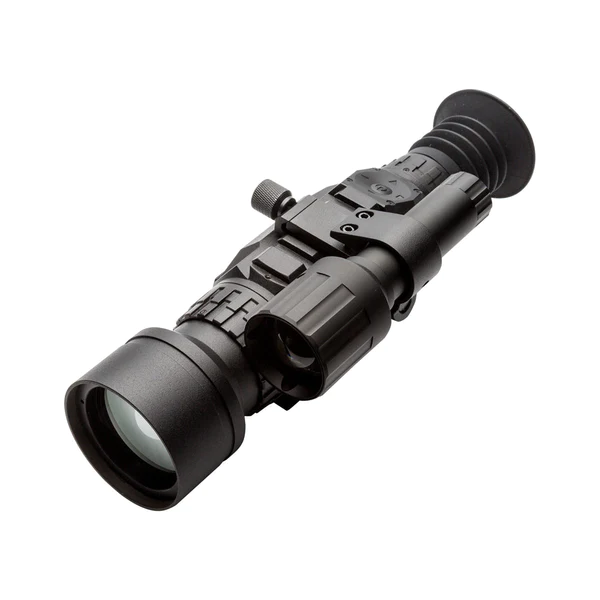
Digital Night Vision
Uses a high-sensitivity CMOS sensor and infrared illuminator instead of an analog tube. Lower cost than Gen 3 analog, no ITAR restrictions, daylight-safe (no risk of damage from bright light exposure), and often includes recording, Wi-Fi streaming, and ballistic reticle features. The trade-offs: digital sensors don’t yet match Gen 3 tubes in passive low-light performance, especially in deep darkness or under heavy canopy. A strong choice for budget-conscious buyers, hunters who want recording, and users who want a single device usable day or night. Browse the Digital Night Vision category.
Which Format Is Right for You?
A few practical filters to narrow it down quickly:
- First piece of night vision, want quality without going all-in: Single Gen 3 PVS-14. Best balance of capability, weight, and cost. Upgrade to dual-tube goggles later if you decide you need depth perception.
- Will move through complex terrain or under cover, or drive under NV: Dual-tube goggles. Depth perception isn’t optional for these uses.
- Tight budget, willing to give up some performance: Gen 2+ monocular or digital night vision. Both are real night vision, just not at Gen 3 sensitivity.
- Already have a housing and want to upgrade or replace the tube: Bare image intensifier tube. Spec the form factor (MX-11769 if your housing has manual gain, MX-10160 if not) and the manufacturer/FOM you want.
- Want recording, Wi-Fi, or a daylight-safe device: Digital night vision. Some hunters and content creators find this combination more useful than analog Gen 3.
Generations: A Quick Primer
Night vision generations describe the underlying tube technology and roughly correspond to performance tier and price.
- Gen 2+: Multi-alkali photocathode. Useful resolution, decent low-light performance, ~5,000 hours operational life. Good for budget buyers, recreational use, and as a first piece of night vision.
- Gen 3: Gallium arsenide (GaAs) photocathode, roughly 3-4x more sensitive than Gen 2+. Cleaner image, dramatically better low-light performance, 10,000+ hour operational life. The U.S. military standard and the right choice for serious users.
For a deeper walk-through of generations, FOM, SNR, halo, and the rest of the spec sheet, see the Monocular guide or the Image Intensifier guide.
The Tube Manufacturers
Whether you buy a complete unit or a bare tube, the tube inside almost always comes from one of four manufacturers. The two domestic U.S. Gen 3 makers are L3Harris and Elbit Systems of America, both producing tubes that meet or exceed mil-spec and serve the U.S. military and law enforcement market. Photonis (France/Netherlands) makes Gen 2+ “super-tubes” with a different photocathode chemistry that delivers strong performance with a different value profile. NNVT (China) makes Gen 2+ tubes including white phosphor variants at a more accessible price point. Full breakdown in the Image Intensifier guide.
Hand-Select Service
Tubes from the factory come in a range of performance bins — different FOM, SNR, resolution, and cosmetic profiles. With our hand-select service, instead of getting whichever tube ships next from stock, we send you the data sheets for the tubes we currently have available in your chosen model — and you pick the specific tube you want based on actual measured specs and cosmetic profile. Available across every tube level we sell, Gen 2+ included. For dual-tube goggle builds, we’ll match the pair so the left and right deliver visually consistent output.
Mounting and Helmets
A monocular or goggle by itself is just the device. To wear it, you’ll need a helmet (bump or ballistic), a dovetail shroud installed on the helmet, a helmet mount (Wilcox G24/G36, Norotos INVG/Tilt, Ops-Core VAS), and a J-arm or bridge to connect the optic to the mount. We carry the full ecosystem — see the Night Vision Mounts and Shrouds and Helmets categories.
Price Overview Across Formats
- Digital night vision: $400-$1,500. Entry point into night-capable optics.
- Gen 2+ PVS-14: $2,000-$2,300. Real analog night vision at the budget end.
- Gen 3 PVS-14: $2,500-$5,000+. Standard tubes through hand-select premium builds.
- Gen 3 dual-tube goggles: $6,000-$15,000+. ANVB and RNVG at the entry, BNVD/DTNVS-MG/Nighthawk-MG mid-tier, L3Harris BNVD AN/PVS-31A at the top.
- Bare tubes: $1,800-$5,000+ depending on manufacturer, FOM, and form factor.
ITAR and Export Considerations
Gen 3 night vision is ITAR-controlled: U.S. persons can purchase and own it freely, but it cannot be exported, taken out of the country, or sold to foreign nationals without specific government licensing. We sell only to verified U.S. customers and do not ship internationally. Digital night vision is generally not ITAR-controlled and has fewer export restrictions, though specific products vary.
Warranty and Support
All complete units include our standard warranty on the housing and electronics. Tube warranties vary by manufacturer and tube grade — typically 2-10 years on Gen 3 tubes. We’re also a full repair facility and can service most night vision devices, including warranty work, tube swaps and upgrades, and housing repairs. All units ship within 1-2 business days.
Frequently Asked Questions
Should my first night vision be a monocular or goggles?
For most first-time buyers, a Gen 3 PVS-14 monocular. It’s lighter, roughly half the cost of dual-tube goggles, capable of being used helmet-mounted or handheld, and good enough that most users never feel limited by it. If your specific use case demands depth perception — moving fast through complex terrain, driving, working in cluttered indoor spaces — start with goggles instead.
What’s the practical difference between Gen 2+ and Gen 3?
Gen 3 is significantly more sensitive in low light, has cleaner image quality, and lasts twice as long. In a moonlit field, both will work fine. In deep woods on a no-moon night, Gen 3 will give you a usable image where Gen 2+ may struggle.
Is digital night vision a real alternative to Gen 3?
For some uses, yes. Digital sensors have closed a lot of ground in the last few years and offer features analog can’t — recording, Wi-Fi, daylight-safe operation, no ITAR restrictions, integrated reticles. For passive low-light performance in the darkest conditions, Gen 3 analog still has the edge. The right answer depends on what you’ll actually do with the device.
Are custom bare-tube builds a good idea?
Yes, for the right buyer. If you already own a housing and want to upgrade or replace the tube, or if you’re a builder who wants to spec a specific tube to a specific housing, a bare tube purchase is the right path. If you’re buying your first piece of night vision and don’t have a housing in hand, buy a complete unit instead — it’s simpler, lower-risk, and you’ll spend less overall.
Do you offer hand-select on complete units, or only bare tubes?
Both. Hand-select is available across every tube level we sell — Gen 2+ included, complete units and bare tubes — and on dual-tube goggle builds we match the pair.
Do I need a helmet to use night vision?
Not for handheld use. For hands-free use, you’ll need either a skull crusher (an inexpensive head harness, fine for stationary work) or a proper helmet with a shroud and mount (the right answer for any active use). Most serious users go with a bump helmet or ballistic helmet plus a Wilcox or Norotos mount.
Can civilians legally buy Gen 3 night vision in the U.S.?
Yes — U.S. persons can legally purchase and own Gen 3 night vision. The restriction is on export, not ownership. You cannot take it out of the country or transfer it to non-U.S. persons without specific licensing.
How long does shipping take?
All units ship within 1-2 business days.
Can I upgrade my unit later?
Yes. We offer repair and upgrade service on most night vision housings — including tube swaps if you want to upgrade to a higher-FOM or newer-generation tube down the road, housing repairs, and warranty work.
Not sure which format fits your use case? Contact us or call (888) 330-7057 — we’ll help you spec the right setup for your budget and how you’ll actually use it.
Night Vision Optics Buyer’s Guide
Night vision is one of the highest-impact pieces of gear you can add to a low-light kit — but it’s also the easiest place to spend the wrong money on the wrong setup. The right choice depends on what you’ll do with it, how much you can spend, and whether you’re buying a complete unit off the shelf or building one to spec. This category is the top-level hub for analog night vision optics: monoculars, dual-tube goggles, bare image intensifier tubes, and digital night vision. The dedicated guides under each subcategory go deeper on the technology, the tube specs, and the specific products — start here to figure out which format fits your use case, then drill in.
The Four Ways to Run Night Vision
Single-Tube Monocular (PVS-14)
One image intensifier tube in a PVS-14-pattern housing. Worn helmet-mounted on a J-arm and shroud, head-mounted with a skull crusher, or used handheld for scanning. Lighter and roughly half the cost of dual-tube goggles. The trade-off is no depth perception under night vision, but you keep your unaided eye open for situational awareness, which many experienced users actually prefer for extended use. The most versatile entry point into night vision and the format we recommend for most first-time buyers. Browse the Night Vision Monoculars category.
Dual-Tube Goggles (RNVG, ANVB, DTNVS, BNVD-style)
Two tubes, two eyepieces, one image per eye — full binocular night vision with depth perception and the visual experience the U.S. military uses. Heavier and roughly twice the cost of a comparable monocular, but worth it if you’ll be moving through complex terrain, driving under NV, or doing extended work where stereo depth perception matters. Most modern goggles articulate (the pods independently rotate up out of the way), include manual gain control, and accept the same MX-11769 form-factor tubes used in PVS-14s. Browse the Night Vision Goggles category.
Custom Builds from Bare Tubes
Buy the image intensifier tube separately and pair it with a housing of your choice — a hand-built PVS-14, an aftermarket goggle housing, or a custom rifle-mounted device. This is also how tube upgrades and repairs work: swap a Gen 2+ for a Gen 3, move to a higher-FOM tube, or replace a damaged or contaminated tube without replacing the whole device. Browse the Image Intensifier Tubes category for L3Harris, Elbit, Photonis, and NNVT options across both common form factors (MX-11769 with manual gain, MX-10160 without).
Digital Night Vision
Uses a high-sensitivity CMOS sensor and infrared illuminator instead of an analog tube. Lower cost than Gen 3 analog, no ITAR restrictions, daylight-safe (no risk of damage from bright light exposure), and often includes recording, Wi-Fi streaming, and ballistic reticle features. The trade-offs: digital sensors don’t yet match Gen 3 tubes in passive low-light performance, especially in deep darkness or under heavy canopy. A strong choice for budget-conscious buyers, hunters who want recording, and users who want a single device usable day or night. Browse the Digital Night Vision category.
Which Format Is Right for You?
A few practical filters to narrow it down quickly:
- First piece of night vision, want quality without going all-in: Single Gen 3 PVS-14. Best balance of capability, weight, and cost. Upgrade to dual-tube goggles later if you decide you need depth perception.
- Will move through complex terrain or under cover, or drive under NV: Dual-tube goggles. Depth perception isn’t optional for these uses.
- Tight budget, willing to give up some performance: Gen 2+ monocular or digital night vision. Both are real night vision, just not at Gen 3 sensitivity.
- Already have a housing and want to upgrade or replace the tube: Bare image intensifier tube. Spec the form factor (MX-11769 if your housing has manual gain, MX-10160 if not) and the manufacturer/FOM you want.
- Want recording, Wi-Fi, or a daylight-safe device: Digital night vision. Some hunters and content creators find this combination more useful than analog Gen 3.
Generations: A Quick Primer
Night vision generations describe the underlying tube technology and roughly correspond to performance tier and price.
- Gen 2+: Multi-alkali photocathode. Useful resolution, decent low-light performance, ~5,000 hours operational life. Good for budget buyers, recreational use, and as a first piece of night vision.
- Gen 3: Gallium arsenide (GaAs) photocathode, roughly 3-4x more sensitive than Gen 2+. Cleaner image, dramatically better low-light performance, 10,000+ hour operational life. The U.S. military standard and the right choice for serious users.
For a deeper walk-through of generations, FOM, SNR, halo, and the rest of the spec sheet, see the Monocular guide or the Image Intensifier guide.
The Tube Manufacturers
Whether you buy a complete unit or a bare tube, the tube inside almost always comes from one of four manufacturers. The two domestic U.S. Gen 3 makers are L3Harris and Elbit Systems of America, both producing tubes that meet or exceed mil-spec and serve the U.S. military and law enforcement market. Photonis (France/Netherlands) makes Gen 2+ “super-tubes” with a different photocathode chemistry that delivers strong performance with a different value profile. NNVT (China) makes Gen 2+ tubes including white phosphor variants at a more accessible price point. Full breakdown in the Image Intensifier guide.
Hand-Select Service
Tubes from the factory come in a range of performance bins — different FOM, SNR, resolution, and cosmetic profiles. With our hand-select service, instead of getting whichever tube ships next from stock, we send you the data sheets for the tubes we currently have available in your chosen model — and you pick the specific tube you want based on actual measured specs and cosmetic profile. Available across every tube level we sell, Gen 2+ included. For dual-tube goggle builds, we’ll match the pair so the left and right deliver visually consistent output.
Mounting and Helmets
A monocular or goggle by itself is just the device. To wear it, you’ll need a helmet (bump or ballistic), a dovetail shroud installed on the helmet, a helmet mount (Wilcox G24/G36, Norotos INVG/Tilt, Ops-Core VAS), and a J-arm or bridge to connect the optic to the mount. We carry the full ecosystem — see the Night Vision Mounts and Shrouds and Helmets categories.
Price Overview Across Formats
- Digital night vision: $400-$1,500. Entry point into night-capable optics.
- Gen 2+ PVS-14: $2,000-$2,300. Real analog night vision at the budget end.
- Gen 3 PVS-14: $2,500-$5,000+. Standard tubes through hand-select premium builds.
- Gen 3 dual-tube goggles: $6,000-$15,000+. ANVB and RNVG at the entry, BNVD/DTNVS-MG/Nighthawk-MG mid-tier, L3Harris BNVD AN/PVS-31A at the top.
- Bare tubes: $1,800-$5,000+ depending on manufacturer, FOM, and form factor.
ITAR and Export Considerations
Gen 3 night vision is ITAR-controlled: U.S. persons can purchase and own it freely, but it cannot be exported, taken out of the country, or sold to foreign nationals without specific government licensing. We sell only to verified U.S. customers and do not ship internationally. Digital night vision is generally not ITAR-controlled and has fewer export restrictions, though specific products vary.
Warranty and Support
All complete units include our standard warranty on the housing and electronics. Tube warranties vary by manufacturer and tube grade — typically 2-10 years on Gen 3 tubes. We’re also a full repair facility and can service most night vision devices, including warranty work, tube swaps and upgrades, and housing repairs. All units ship within 1-2 business days.
Frequently Asked Questions
Should my first night vision be a monocular or goggles?
For most first-time buyers, a Gen 3 PVS-14 monocular. It’s lighter, roughly half the cost of dual-tube goggles, capable of being used helmet-mounted or handheld, and good enough that most users never feel limited by it. If your specific use case demands depth perception — moving fast through complex terrain, driving, working in cluttered indoor spaces — start with goggles instead.
What’s the practical difference between Gen 2+ and Gen 3?
Gen 3 is significantly more sensitive in low light, has cleaner image quality, and lasts twice as long. In a moonlit field, both will work fine. In deep woods on a no-moon night, Gen 3 will give you a usable image where Gen 2+ may struggle.
Is digital night vision a real alternative to Gen 3?
For some uses, yes. Digital sensors have closed a lot of ground in the last few years and offer features analog can’t — recording, Wi-Fi, daylight-safe operation, no ITAR restrictions, integrated reticles. For passive low-light performance in the darkest conditions, Gen 3 analog still has the edge. The right answer depends on what you’ll actually do with the device.
Are custom bare-tube builds a good idea?
Yes, for the right buyer. If you already own a housing and want to upgrade or replace the tube, or if you’re a builder who wants to spec a specific tube to a specific housing, a bare tube purchase is the right path. If you’re buying your first piece of night vision and don’t have a housing in hand, buy a complete unit instead — it’s simpler, lower-risk, and you’ll spend less overall.
Do you offer hand-select on complete units, or only bare tubes?
Both. Hand-select is available across every tube level we sell — Gen 2+ included, complete units and bare tubes — and on dual-tube goggle builds we match the pair.
Do I need a helmet to use night vision?
Not for handheld use. For hands-free use, you’ll need either a skull crusher (an inexpensive head harness, fine for stationary work) or a proper helmet with a shroud and mount (the right answer for any active use). Most serious users go with a bump helmet or ballistic helmet plus a Wilcox or Norotos mount.
Can civilians legally buy Gen 3 night vision in the U.S.?
Yes — U.S. persons can legally purchase and own Gen 3 night vision. The restriction is on export, not ownership. You cannot take it out of the country or transfer it to non-U.S. persons without specific licensing.
How long does shipping take?
All units ship within 1-2 business days.
Can I upgrade my unit later?
Yes. We offer repair and upgrade service on most night vision housings — including tube swaps if you want to upgrade to a higher-FOM or newer-generation tube down the road, housing repairs, and warranty work.
Not sure which format fits your use case? Contact us or call (888) 330-7057 — we’ll help you spec the right setup for your budget and how you’ll actually use it.