
Flashlights
Showing all 8 resultsSorted by price: high to low


Tactical Flashlights Buyer’s Guide
A flashlight isn’t just a flashlight when you’re running a tactical or NV-paired kit. It’s a target-identification tool, a navigation aid, a defensive option for low-light scenarios where your NV isn’t deployed, and — for weapon-mounted setups — the difference between confirming what you’re aiming at and shooting blind. The market is wide, the spec sheets are confusing, and “more lumens” is rarely the right answer to any actual question.
This guide walks through the form factors, the specs that matter, the major brands, and how flashlights fit into a kit that already includes night vision and other low-light tools.
Form Factors
Weapon-Mounted Lights (Rifle)
The standard rifle light is a high-output handheld unit in a dedicated mount, attached to a Picatinny rail or M-LOK slot at the 12 or 6 o’clock position. Used to identify targets in low light when you can’t or don’t want to use NV. Premium options like the Modlite PLHv2, Cloud Defensive REIN, and Surefire Scout Pro are the dominant choices in serious builds. Output ranges from 600 lumens (entry-level) to 2,000+ lumens with high candela for distance throw.
Weapon-Mounted Lights (Pistol)
Compact lights that mount to a pistol’s rail. The Streamlight TLR-1 HL, Surefire X300 Ultra, and Modlite PL350 are the workhorses of this category. Output 800-1,000 lumens with reasonable candela; runtime in the 1.5-2 hour range. For pistols intended for low-light use, a weapon light is essentially required equipment.
Handheld Tactical Lights
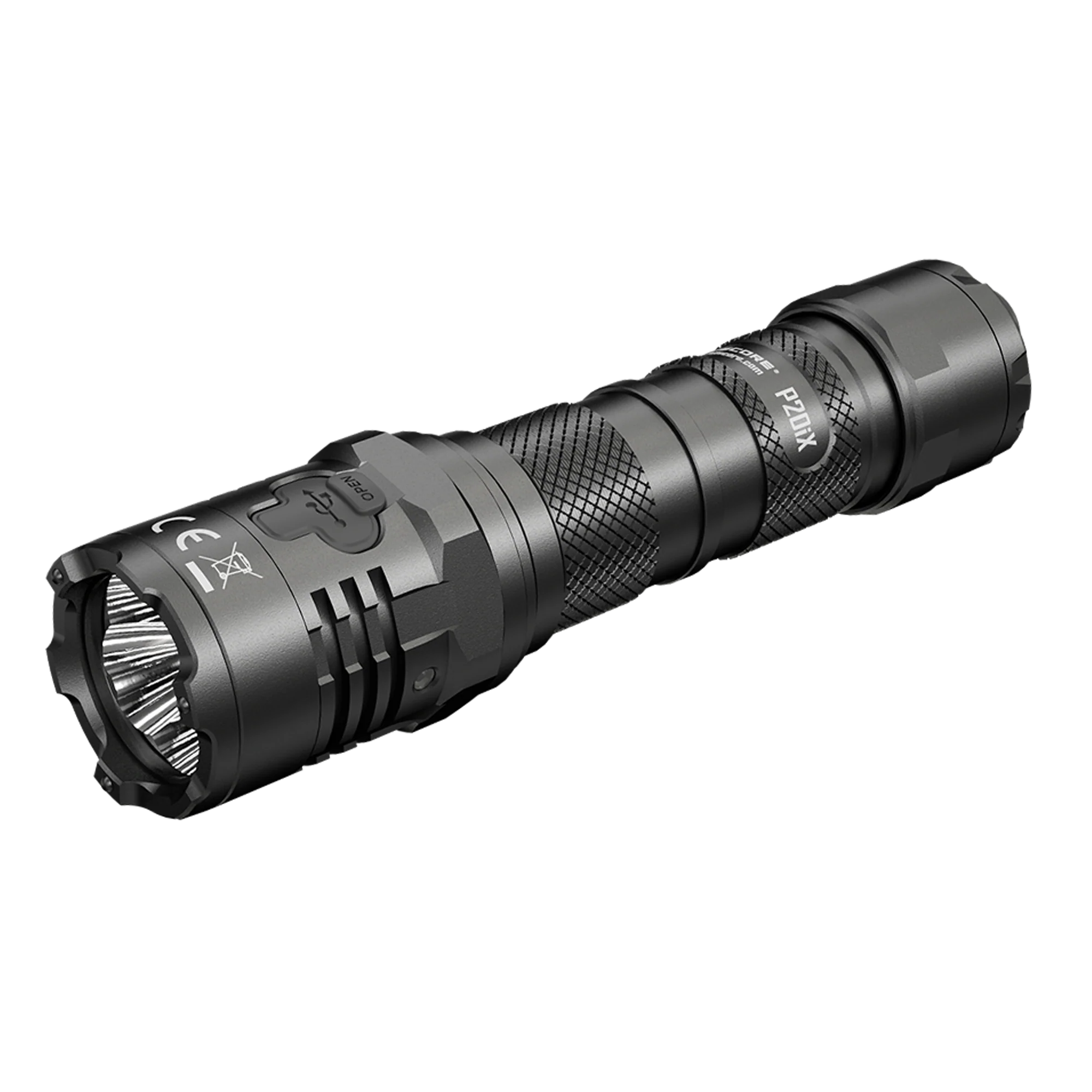
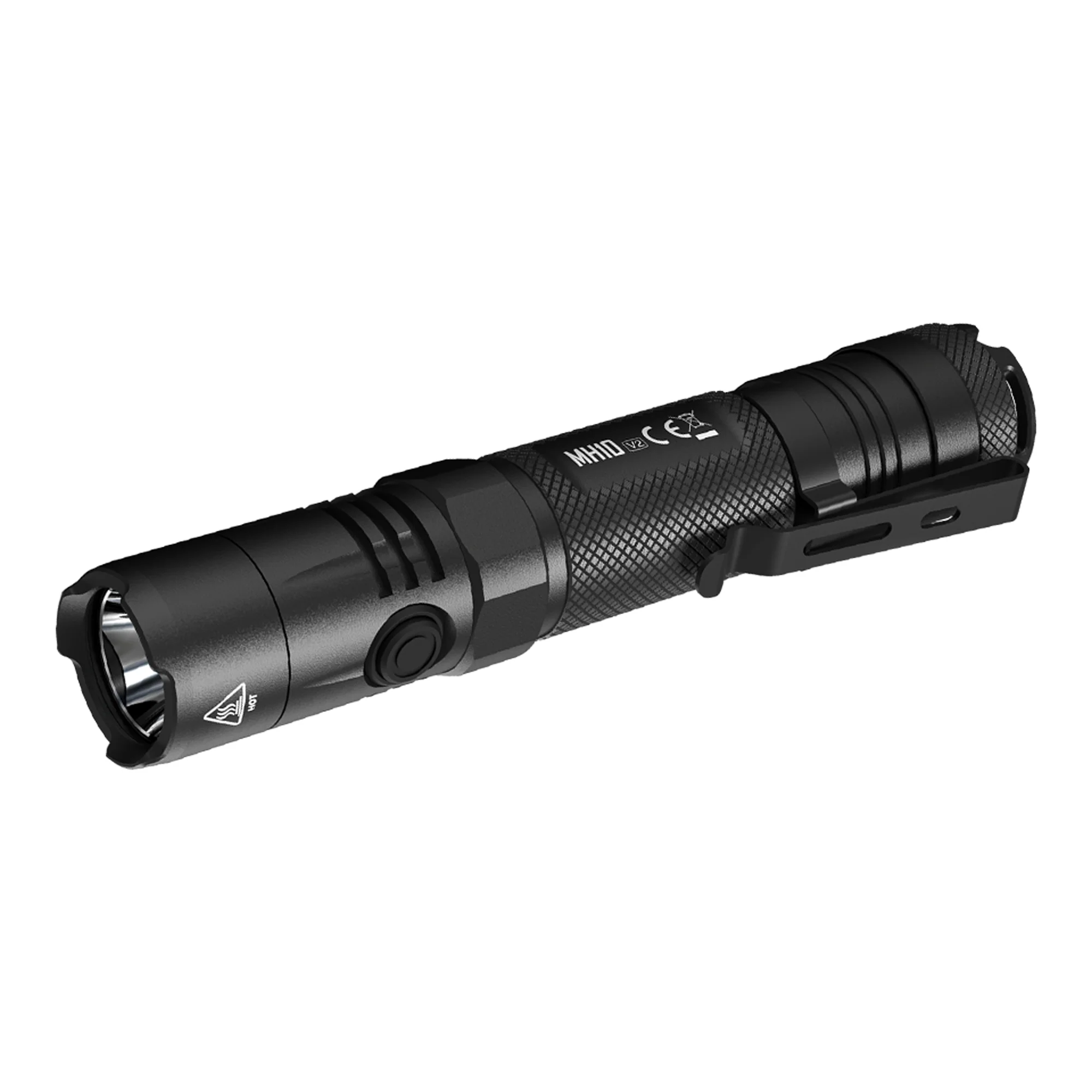
Carried in a pocket, on a belt, or in a kit pouch. Higher output than EDC lights, with switch designs and form factors built for one-handed operation under stress. Surefire G2X, Streamlight ProTac HL, Nitecore P-series, and similar units cover this space. Output typically 800-2,000 lumens.
EDC (Everyday Carry) Lights
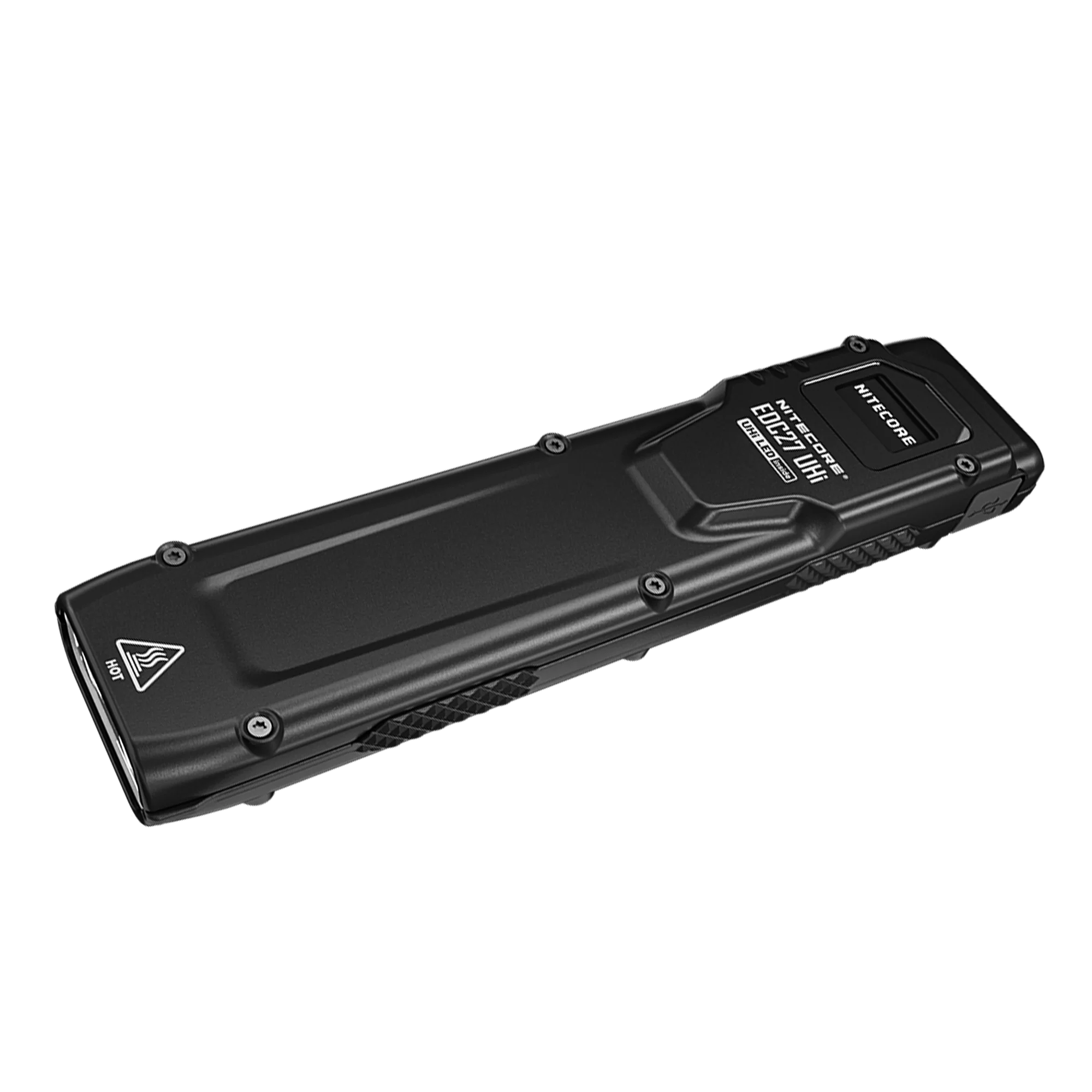
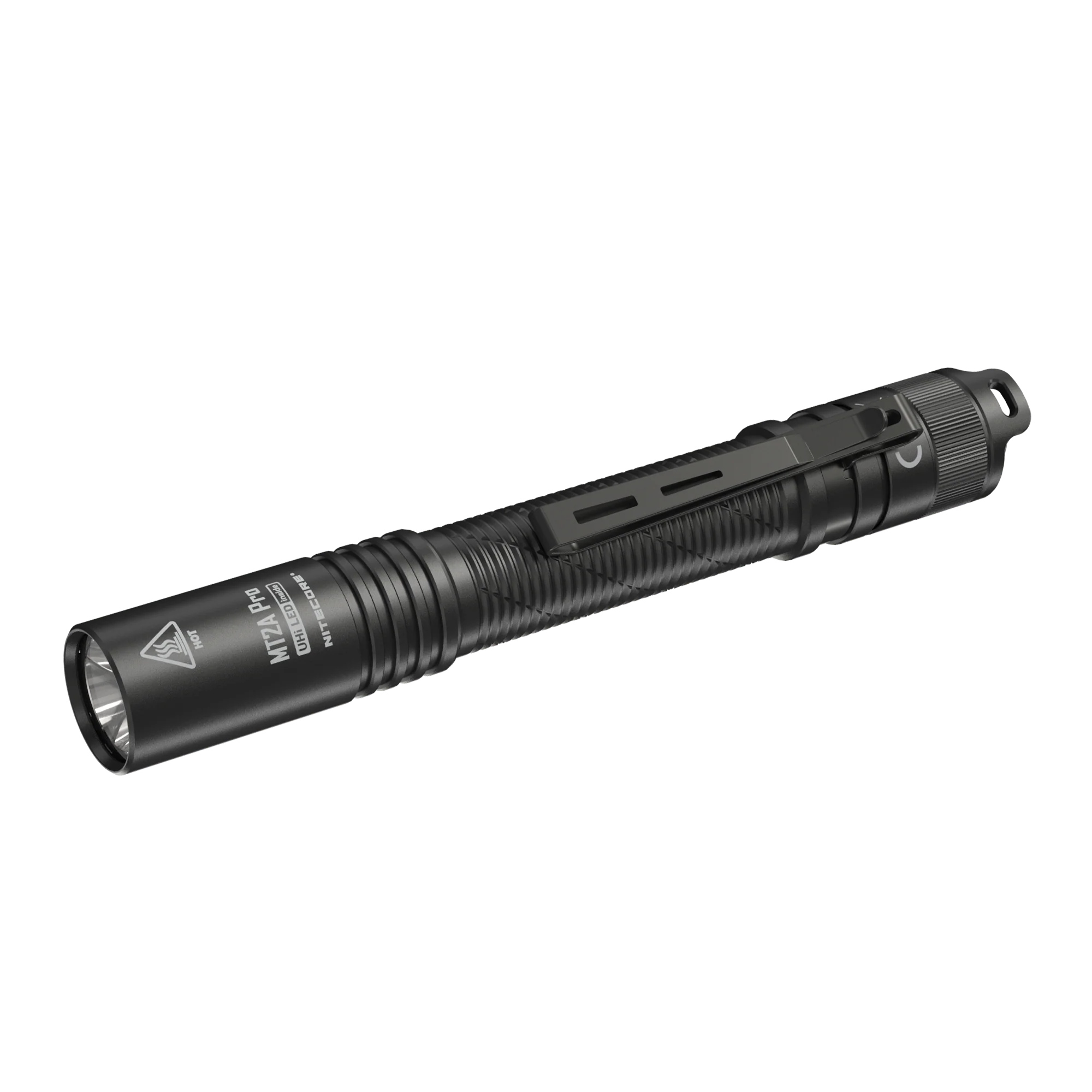
Smaller, lighter, designed for daily pocket carry. Lower output (200-1,000 lumens typically), longer runtime, often with rechargeable batteries and pocket clips. Nitecore, Olight, Fenix, and similar value-premium brands dominate this space.
Headlamps
Hands-free area lighting for kit work, navigation, gear repair, and any task where you need both hands. Not a tactical tool in the same sense as a weapon light, but an essential piece of low-light kit. Princeton Tec, Petzl, and Nitecore make the most-used options. Many tactical headlamps include red LEDs (preserves dark adaptation) and IR LEDs (works alongside NV without giving away position to the naked eye).
Specialty Lights
Search lights with extreme throw, breaching lights with hardened construction, and high-candela “thrower” lights for long-distance use. Niche but real categories for buyers with specific requirements.
The Specs That Actually Matter
Lumens vs. Candela
The most-misunderstood pair of specs in the flashlight world. Lumens measure total light output — how much light leaves the front of the flashlight in all directions. Candela measures peak beam intensity — how concentrated the light is at the center of the beam, which determines how far the light “throws.” A 1,000-lumen flood light and a 1,000-lumen thrower can have wildly different effective ranges; the thrower’s higher candela rating is what makes the difference.
For weapon-mounted lights and any application where you need to identify targets at distance, prioritize candela. For close-range and indoor work, lumens with a wider beam pattern is fine. The number that matters depends on what you’ll use the light for.
Beam Pattern
Flashlights produce one of three beam patterns: a thrower (tight, focused beam for distance), a flood (wide, even beam for close work and area lighting), or a hybrid (a tight hotspot with usable spill light around it — the dominant design on modern tactical lights). Hybrid is the right choice for almost all weapon-mounted and tactical applications because it gives you both range and peripheral awareness.
Output Modes and Runtime
Quality tactical lights offer multiple output levels — typically a low/medium/high or just high/low arrangement, with optional strobe. High output drains batteries fast (often 1-3 hours); low output runs much longer (often 8-50+ hours). For a tactical light, the right tradeoff is bias toward high output with shorter runtime; for an EDC or headlamp, longer runtime matters more.
Battery Type
Modern tactical lights typically run on one of three battery formats. 18650 / 21700 lithium-ion rechargeable cells are the dominant standard for high-output lights — high capacity, USB-C charging on most modern units, lower running cost. CR123A primary lithium cells offer 10+ year shelf life and cold-weather performance, ideal for emergency or kit lights that may sit unused for years. Many modern lights accept both an 18650 OR 2× CR123A cells, giving you flexibility. AA batteries are cheap and available everywhere, used in some EDC and budget tactical lights.
The Major Manufacturers
Surefire
The U.S. military and SOF standard. Surefire’s Scout Pro (rifle), X300 Ultra (pistol), and G2X / E2D (handheld) lines define the premium tactical category and are issued or carried by virtually every serious LE and military unit. Premium pricing reflects U.S. manufacturing, lifetime durability, and the deepest aftermarket support of any brand.
Streamlight
The other premium tactical standard, with a heavier emphasis on LE applications and value pricing relative to Surefire. The TLR series (weapon lights) and ProTac series (handheld) are the workhorses of American LE. Strong build quality, broad accessory support, and a meaningful price advantage over Surefire for similar capability.
Modlite
The premium high-output rifle and pistol light specialist. The Modlite PLH-V2 (rifle) and PL350 (pistol) deliver class-leading lumen and candela combinations in modular housings. Many serious users consider Modlite the top of the rifle weapon light market for raw output and beam quality. Premium pricing.
Cloud Defensive
Specialist in long-range / high-throw rifle lights. The REIN family delivers exceptional candela for extended-range target identification, with quality build and U.S. manufacturing. Strong choice for users who need real distance capability beyond what general-purpose tactical lights provide.
Nitecore
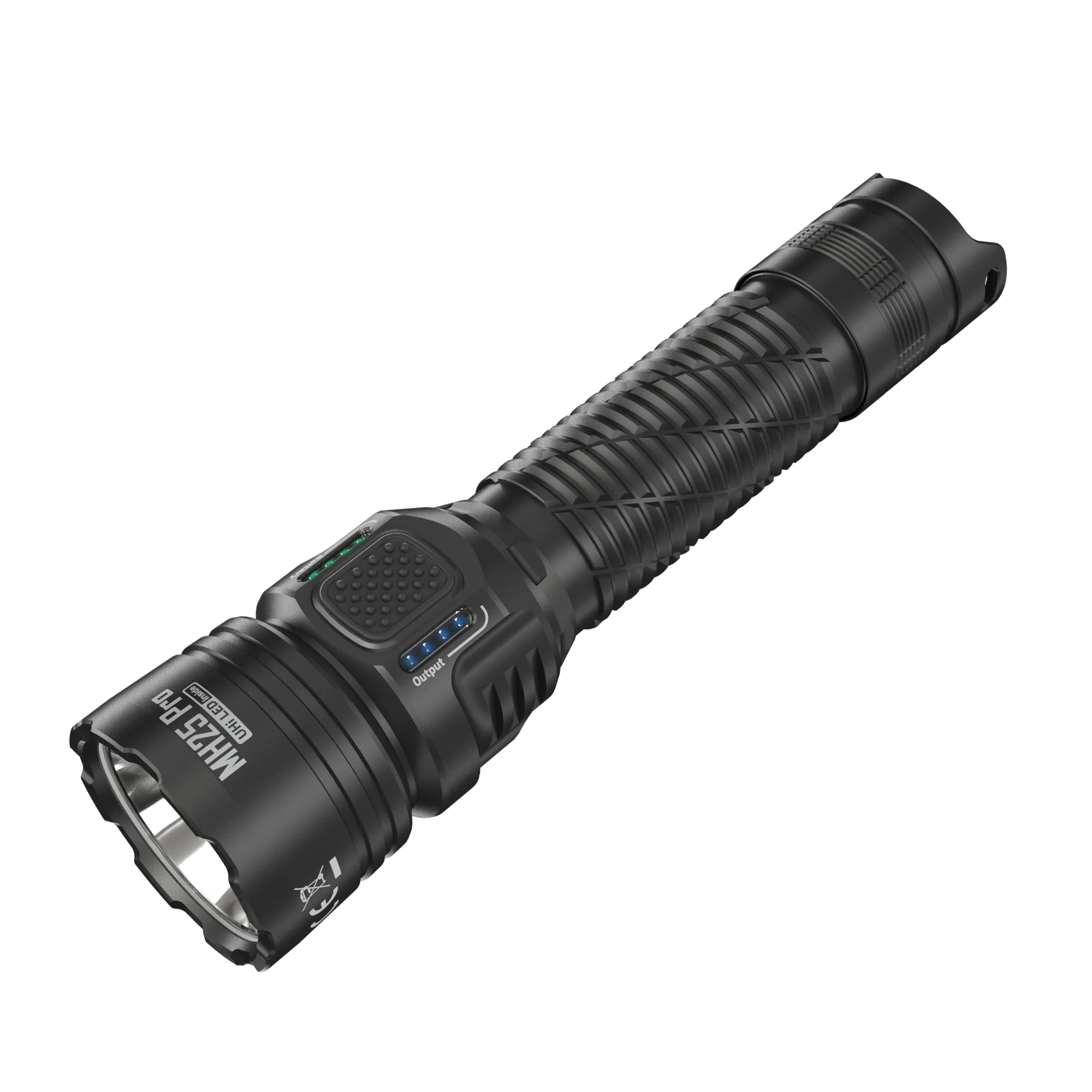
The dominant value-premium brand across handheld tactical, EDC, and specialty applications. Broad lineup covering everything from pocket EDCs to high-output search lights to headlamps. Build quality is solid, output specs are competitive with premium brands at meaningful price savings, and the model lineup is wider than nearly anyone else. See our Nitecore category for the full Nitecore lineup we carry.
Olight
Strong EDC and tactical handheld brand with proprietary magnetic charging that many users prefer. The Warrior, Baldr, and M2R series are the main tactical-relevant models. Excellent build for the price; popular with civilian carriers.
Fenix
Value-tier brand with broad lineup and good build quality. Reasonable choice for users wanting capability without premium-tier prices.
Princeton Tec
The military-issued headlamp brand. The MPLS, Charge Pro, and Switch series are widely used by SOF and LE for the multi-color LED options (white, red, green, blue, IR) that pair well with NV and night ops. The standard answer for a tactical headlamp.
Pairing Flashlights with Night Vision
White light and night vision tubes are an uneasy combination. Direct white light exposure can damage older Gen 3 tubes and will at minimum cause auto-gating to kick in, washing out the image temporarily. Modern thin-filmed and filmless tubes handle bright light better than legacy Gen 3, but the rule still holds: don’t shine a white light directly into a fellow operator’s tube and don’t aim a white light at a reflective surface that bounces back into your own tube.
That said, white lights are essential equipment alongside NV. Use white light for target identification when you need to confirm you’re looking at what you think you’re looking at; use IR illumination (built into combo lasers like the DBAL and MAWL — see our Lasers guide) for general area lighting that’s invisible to the naked eye but bright through your tube.
Some flashlights include IR-only LEDs alongside white LEDs (Princeton Tec headlamps, certain Surefire / Streamlight models) — these let you light up a work area while wearing NV without compromising light discipline.
Mounting (Weapon-Mounted Lights)
Weapon-mounted lights attach to the rifle via Picatinny rail or M-LOK slot using a dedicated mount. The mount is often brand-specific to the light — Surefire Scout mounts, Modlite mounts, Cloud Defensive mounts, and aftermarket options (Arisaka, Cloud Defensive LCS, Reptilia Torch) cover the major light bodies. Most tactical lights ship with a basic mount; aftermarket mounts upgrade ergonomics and switch compatibility.
For pressure-pad activation (a remote switch on the foregrip rather than the tail-cap), most premium lights accept a tape switch — the Surefire ST07, Modlite ModButton, Cloud Defensive LCS lights, and similar. Pressure pads are the standard for serious carbines because they let you activate the light without removing your support hand from the foregrip.
Use Cases — Picking the Right Light
- Rifle weapon light: 800-2,000 lumens, hybrid beam pattern, high candela for distance ID. Modlite PLHv2, Surefire Scout Pro M640DF, Cloud Defensive REIN. Pair with a pressure switch.
- Pistol weapon light: 800-1,000 lumens, compact form factor. Streamlight TLR-1 HL, Surefire X300 Ultra, Modlite PL350.
- Handheld tactical: 800-2,000 lumens, robust switch, single-handed operation. Surefire G2X / E2D, Streamlight ProTac HL, Nitecore P-series.
- EDC: 200-1,000 lumens, pocket clip, rechargeable. Nitecore EDC22 / EC23, Olight S2R Baton II, Streamlight Stylus Pro. See our Nitecore lineup for EDC options.
- Headlamp: Multi-color LED (white + red + IR), hands-free, lightweight. Princeton Tec MPLS, Nitecore HC65 V2.
- Pairing with NV: Use white light for ID work where light discipline allows; pair with an IR illuminator (combo laser or dedicated IR LED) for hands-free area lighting under NV.
Price Tiers
- Budget EDC and basic handhelds: $20-$80. Functional, lower output, reasonable for utility use.
- Mid-tier tactical (Nitecore P-series, Streamlight ProTac, Fenix): $80-$200. Real tactical capability at accessible pricing.
- Premium handheld tactical (Surefire G2X / E2D, premium Nitecore): $150-$400. Top-tier build, mature switch designs, lifetime durability.
- Premium weapon lights (Surefire Scout Pro, Modlite, Streamlight TLR series): $200-$500. Full-feature mil/LE-grade weapon-mounted units.
- High-output specialty (Cloud Defensive REIN, Modlite OKW, search lights): $400-$1,000+. Long-range, high-candela specialists.
ITAR and Export
Flashlights are generally not ITAR-controlled. We sell only to U.S. customers and do not ship internationally to keep our compliance posture consistent across the catalog.
Warranty and Support
Premium tactical flashlight brands (Surefire, Streamlight, Modlite, Cloud Defensive) typically offer multi-year or lifetime warranties on their tactical lights. LED failures are extremely rare on quality units; the more common failure points are switches, O-rings, and (for older units) battery contact corrosion. Nitecore, Olight, and Fenix offer 5-year warranties on most products. We’re a full service facility and can help with mounting, switch installation, and battery selection. All units ship within 1-2 business days.
Frequently Asked Questions
What’s the difference between lumens and candela?
Lumens measure total light output; candela measures peak beam intensity (how concentrated the beam is at the center). A high-lumen flood light may light up a room beautifully but throw poorly at distance; a high-candela thrower can identify a target at 200 yards but be uncomfortable for close work. For weapon lights and distance work, candela is the more meaningful spec.
Surefire or Streamlight?
Both are excellent and either is a defensible choice. Surefire is the premium standard with the broadest accessory ecosystem and the highest build quality (and price). Streamlight delivers similar tactical capability at a meaningful price advantage and is widely issued in U.S. LE. For a serious build with budget room, Surefire; for excellent value with no real compromise, Streamlight.
What’s the best weapon light for a rifle?
Depends on use case. For maximum output and beam quality at close-to-mid distance, Modlite PLH-V2. For long-range distance work, Cloud Defensive REIN. For the standard mil/LE choice with deep aftermarket support, Surefire Scout Pro. All three are top-tier; pick on output profile and budget.
Do I need a weapon light if I have a laser?
Yes. The laser tells you where the bullet will go; the white light tells you what’s in front of you. For target identification under low light — confirming a sound is a friendly, that something in your house is or isn’t a threat — you need actual illumination. Laser-only setups work for identified targets at distance but aren’t sufficient for low-light identification work.
Headlamp or handheld?
Both, ideally. The headlamp goes on your kit for hands-free work — repairs, gear setup, navigation, anything where both hands need to be free. The handheld lives on your belt or in a pocket for tactical use, ID work, and any scenario where you don’t want light pointed wherever your head is pointed. Different tools, different jobs.
Will my flashlight damage my night vision tube?
Direct exposure of bright white light to the tube can cause damage on older Gen 3 tubes. Modern thin-filmed and filmless tubes are more robust but still subject to auto-gating that washes out the image temporarily. Don’t shine white lights into your tube or another operator’s tube. Most modern auto-gated tubes recover quickly from indirect exposure but can be permanently damaged by sustained direct light.
What battery should my light use?
For most users: a quality 18650 or 21700 lithium-ion rechargeable, with USB-C charging built into the light. Lower running cost, easier than carrying spare CR123As. For lights that may sit unused for long periods (kit lights, emergency lights, glove-compartment lights), CR123A primary lithium cells with 10+ year shelf life are the right answer. Many modern lights accept either format, which is the most flexible option.
Are Olight lights worth it?
For EDC and budget tactical, yes — solid build, good output, popular charging system. For serious tactical use, the Surefire / Streamlight / Modlite tier offers real advantages in switch design, durability, and aftermarket support. Olight is excellent value for civilian and casual tactical use; it’s not the right choice if you need mil-spec durability.
How does the Nitecore lineup compare?
Nitecore offers the broadest lineup at the value-premium tier — handhelds, EDCs, headlamps, weapon lights, search lights. Build quality is solid, output specs are competitive with premium brands, and the price advantage is meaningful. The right starting point for buyers who want serious capability without premium-tier pricing. Browse our full Nitecore selection.
Picatinny or M-LOK mount?
Depends on your handguard. M-LOK direct-mount lights (or M-LOK to Picatinny adapters) are increasingly common because they save weight and bring the light closer to the bore. Picatinny mounts are universal and accept any standard light mount. Either works; M-LOK is the modern preference if your handguard supports it.
How long does shipping take?
All units ship within 1-2 business days.
Trying to spec the right light for your kit or rifle? Contact us or call (888) 330-7057 with what you’re mounting it on, what you’ll use it for, and your budget — we’ll spec the right unit.