Image Intensifier Tube Buyer’s Guide
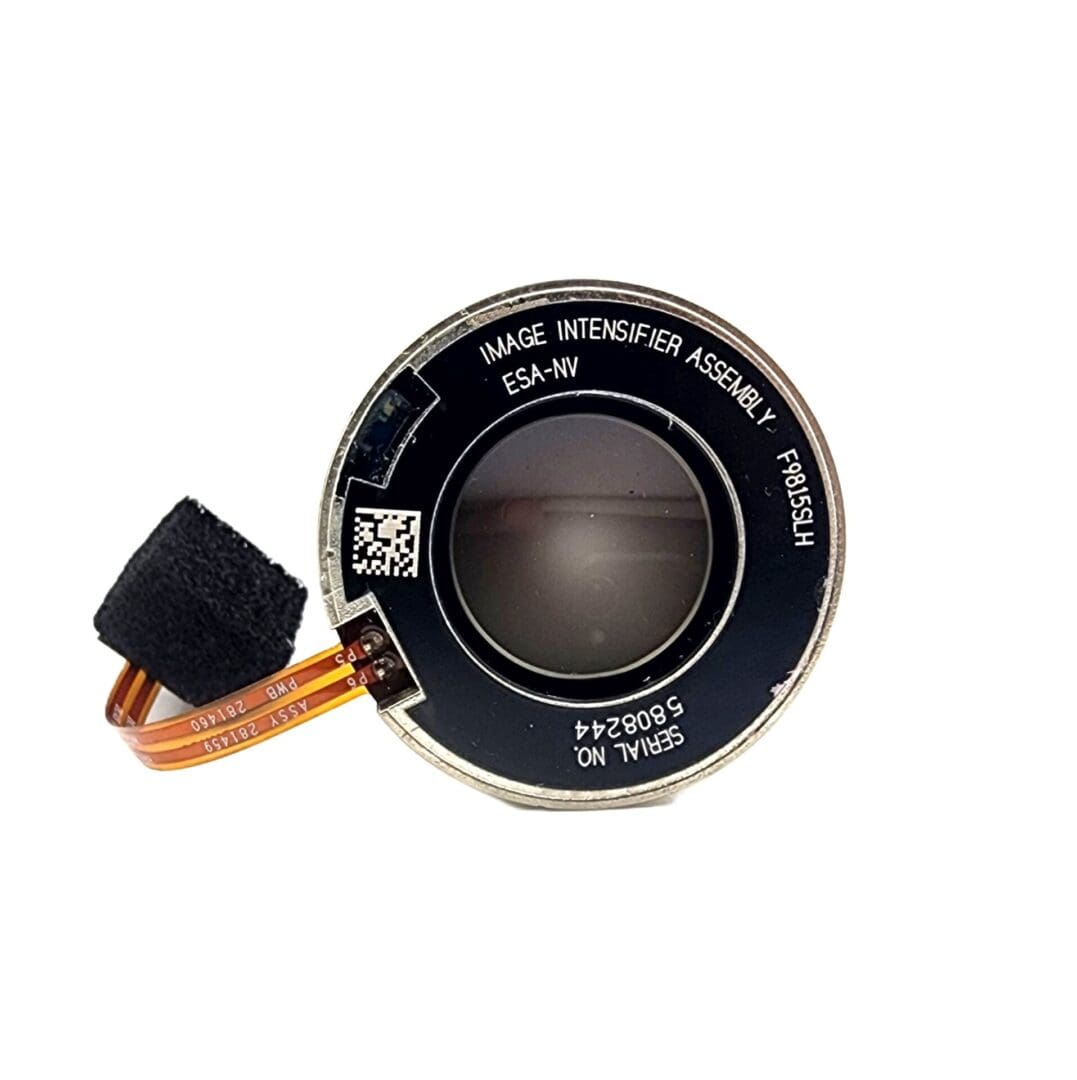
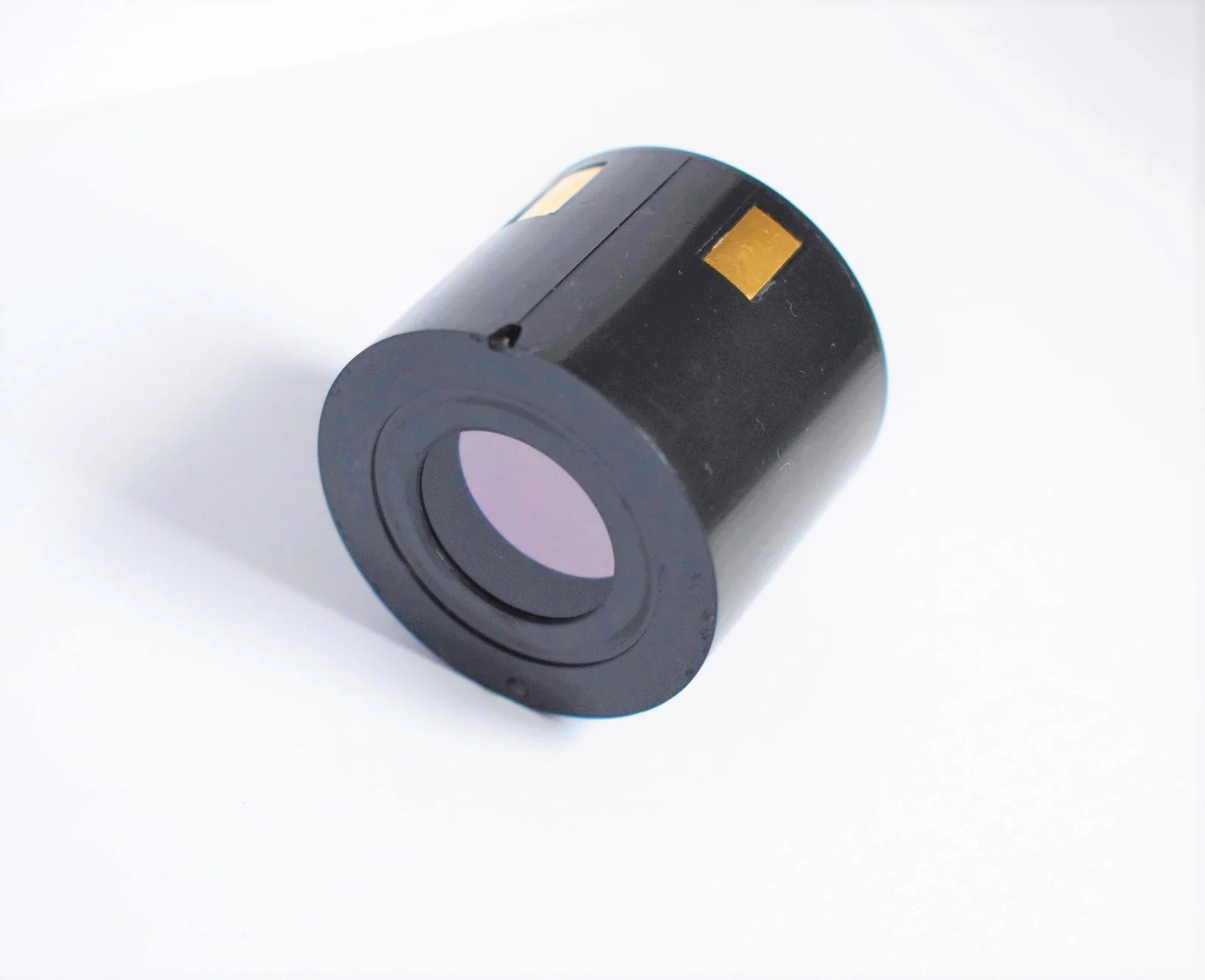
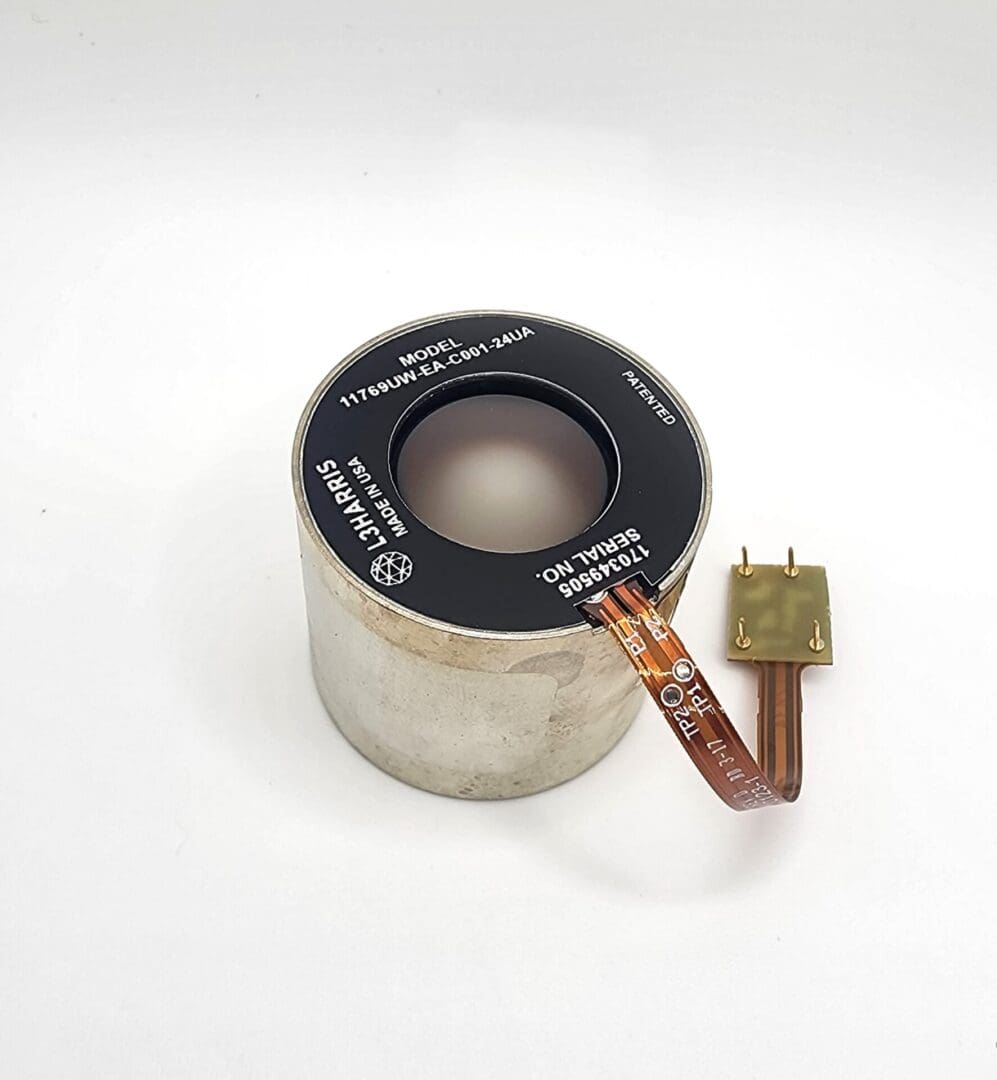
The image intensifier tube is the heart of every analog night vision device — the vacuum component that takes incoming photons and amplifies them thousands of times into a usable image. The housing, optics, electronics, and ergonomics of a goggle or monocular all matter, but tube quality is what determines what you actually see through the device. This category is for builders, owners doing tube swaps or upgrades, and technicians sourcing replacement tubes for repairs.
This guide covers form factors and part numbers, the differences between the four tube manufacturers we sell (L3Harris, Elbit, Photonis, NNVT), and how to read the data sheet that ships with every quality tube.
What Is an Image Intensifier Tube?
An image intensifier is a vacuum tube with three key components. The photocathode at the front converts incoming photons into electrons. The microchannel plate (MCP) in the middle multiplies those electrons through millions of microscopic channels, amplifying the signal by a factor of tens of thousands. The phosphor screen at the back converts the amplified electron stream back into visible light, producing the image you see.
Different photocathode chemistries define the “generation” of the tube — Gen 2+ uses multi-alkali photocathodes, Gen 3 uses gallium arsenide (GaAs). Different manufacturers refine these designs in their own ways, which is why two tubes with the same generation and similar specs can still look different in use.
Why Buy a Bare Tube?
- Custom builds. Pair a specific tube with a housing of your choice — a hand-built PVS-14, an aftermarket goggle housing, or a custom rifle-mounted device.
- Tube upgrades. Swap a Gen 2+ for Gen 3, or upgrade to a higher-FOM tube without buying a whole new device.
- Repairs. Replace a tube that’s been damaged, contaminated, or has reached end of life.
- Spares. Keep a known-good tube on hand for high-use or mission-critical applications.
If you’re not comfortable with the install yourself, we can do the work — contact our repair service and we’ll install or swap the tube for you in your existing housing.
Form Factors and Part Numbers
Tubes for modern night vision devices come in two dominant form factors, distinguished by whether the housing has a manual gain control:
- MX-11769 — the form factor for housings with manual gain control. Used in the PVS-14 monocular and most modern goggles that offer a manual brightness adjustment (DTNVS-MG, SI Nighthawk-MG, and others).
- MX-10160 — the form factor for housings without manual gain control. Used in the RNVG and other goggles that rely on auto-gating only.
The two are not interchangeable. If you’re building or upgrading and you’re not 100% sure which form factor your housing accepts, contact us before ordering — ordering the wrong one is an expensive mistake.
The Four Tube Manufacturers We Sell
L3Harris (United States)
L3Harris is one of the two domestic U.S. manufacturers and supplies tubes to U.S. military and SOF units. Premium quality, including filmless and unfilmed tube designs that deliver very low halo and high SNR. The L3Harris MX-11769 & MX-10160 tubes are what you want when you’re building to the highest standard and money is a secondary consideration.
Elbit Systems of America (United States / Israel)
Elbit is the other major domestic Gen 3 supplier. Their tubes meet or exceed mil-spec performance, with strong availability and competitive pricing for a given FOM target. Many quality builds use Elbit tubes that perform indistinguishably from L3Harris in the field. The Elbit MX-11769 & MX-10160 tubes are excellent across the price range.
Photonis (France / Netherlands)
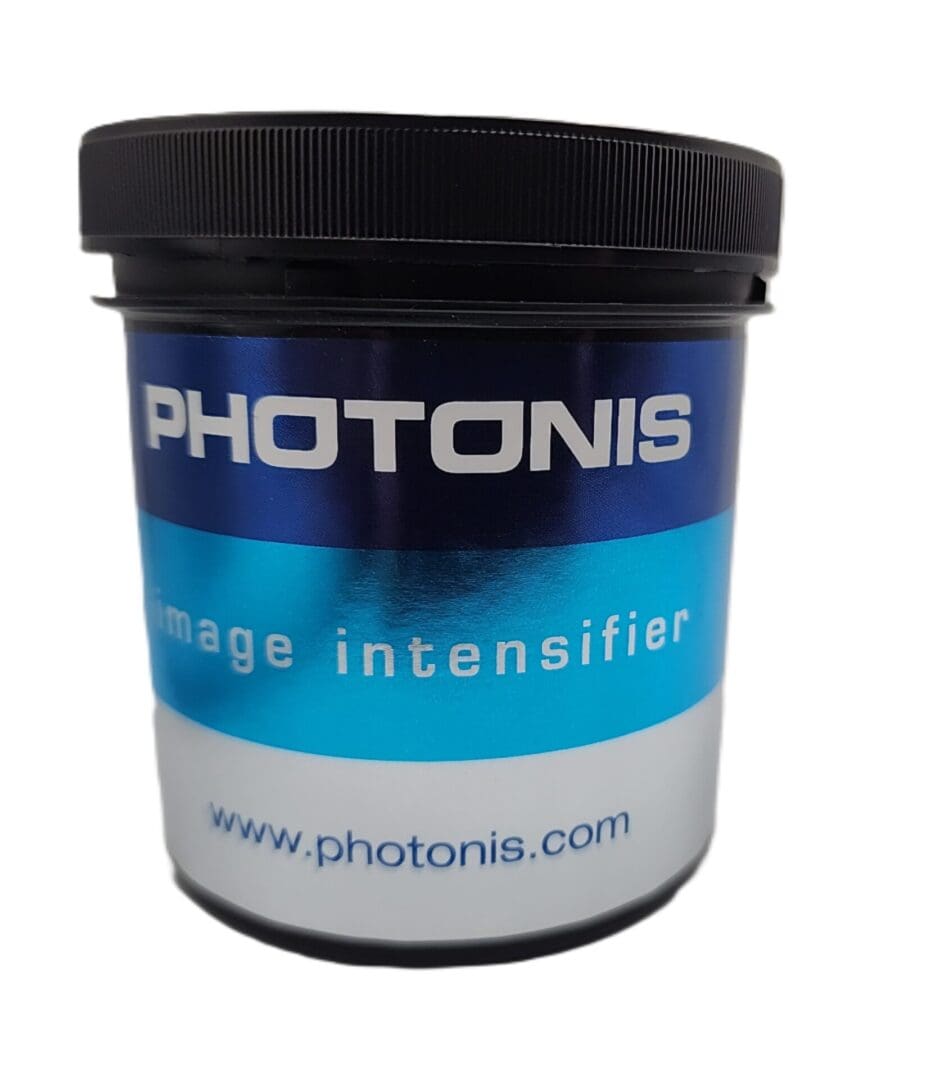
Photonis makes Gen 2+ “super-tubes” using a different photocathode technology (S-25 instead of GaAs). They perform comparably to Gen 3 in many specs — high resolution, low halo, excellent contrast — and are popular with civilian builders for their balance of performance and pricing. The Photonis MX-11769 & MX-10160 tubes are a strong pick when you want high-performance optics with a different value profile than the Gen 3 options.
NNVT (China)
NNVT (North Night Vision Technology) makes Gen 2+ tubes including white phosphor variants. Strong performance for the price point — solidly capable Gen 2+ tubes at a more accessible entry point than U.S. manufacturers. The NNVT White Phosphor MX-11769 is our offering in this line.
How to Read a Tube Data Sheet
Every quality tube ships with a data sheet — the manufacturer’s actual measured numbers for that specific tube, not a typical range or marketing average. Learning to read one is the difference between buying on brand recognition and buying on performance. Here’s what each spec means and what to look for.
FOM (Figure of Merit)
Calculated as SNR × Resolution, FOM is the most-quoted single number on a tube spec sheet because it correlates well with overall low-light performance. Civilian-available Gen 3 tubes typically fall in the 1350-2800+ range. Higher FOM means the tube performs better in dim conditions — a 2000 FOM tube delivers a noticeably more usable image under heavy overcast, deep woods, or no-moon conditions than a 1500 FOM tube. Photonis Gen 2+ tubes use the same formula but the absolute numbers run on a different scale, so compare FOM only within the same generation and manufacturer.
SNR (Signal-to-Noise Ratio)
How clean the image is — specifically, the ratio of useful signal to scintillation (the random “snow” or grain visible in a tube image, especially in low light). Higher SNR means a less grainy, more readable picture. Quality Gen 3 tubes run 25-32+; high-end builds reach 35+. SNR matters most in marginal light where noise becomes visible, which makes it a key spec for serious low-light or shadow work.
Resolution
Measured in line pairs per millimeter (lp/mm), resolution is sharpness — how much detail the tube can resolve. Typical Gen 3 resolution is 64-72 lp/mm, with top-bin tubes hitting 72-78 lp/mm. Higher resolution means cleaner detail at distance, which matters for identification, tracking, and reading the environment past the immediate foreground.
Halo
The bloom of light around bright sources — porch lights, flashlights, vehicle headlights, anything that puts more photons through the tube than the surrounding scene. Halo is measured in millimeters of bloom diameter; lower is better. Modern thin-filmed and filmless designs deliver very low halo (typically 0.7-0.9 mm), making them dramatically more usable in urban or partially-lit environments. If you’ll work around any artificial light, low halo matters a lot.
EBI (Equivalent Background Illumination)
How bright the image appears when no light is reaching the photocathode — essentially the tube’s “black” level. Lower EBI means a darker baseline, which preserves contrast and makes the tube usable in pitch-black interiors, deep cover, or under heavy canopy. Gen 3 EBI typically falls in the 0.5-2.5 µlm/cm² range; lower numbers preserve more shadow detail and contrast.
Photocathode Sensitivity
How efficiently the photocathode converts incoming photons to electrons, measured in microamps per lumen (µA/lm). Higher sensitivity means the tube starts amplifying with less light, which translates to better performance at the dark end of the conditions you’ll see. Gen 3 GaAs photocathodes typically run 1,800-2,400 µA/lm. Photonis S-25 tubes use different units and ranges, but the principle is the same: higher = more sensitive.
Cosmetic Blemishes
The data sheet also lists cosmetic spots — small dark or bright artifacts visible in the image — by zone. The screen is divided into a center zone (where any blemish is highly visible) and outer zones (where small blemishes are far less noticeable in normal use). Quality builds limit center-zone blemishes tightly; cosmetic specs in outer zones can be more relaxed without affecting the user experience. “Cosmetic” is the right word: blemishes don’t degrade tube performance, but they do affect what you see, and the spec sheet tells you exactly what to expect before you buy.
The data sheet is the document of record for what you’re buying — don’t accept a tube without one. If a seller can’t or won’t provide one, walk away.
White vs. Green Phosphor
White phosphor produces a black-and-white image; green phosphor produces the traditional green image. Both are excellent. White phosphor is the modern preference for new builds — better contrast on natural backgrounds, less fatiguing on the eyes for extended use. Green is traditional, slightly higher contrast in some conditions, and sometimes available at a lower cost. We stock both phosphor types across our tube lineup.
Filmed vs. Filmless Tubes
“Filmed” and “filmless” refer to a thin ion-barrier film between the photocathode and the MCP. Traditional Gen 3 tubes are filmed — the film protects the photocathode from ion damage and extends tube life. Filmless tubes (also called “unfilmed”) remove this barrier, which improves photoresponse and can deliver higher SNR and better low-light performance, at the cost of being more delicate and more expensive to manufacture.
For most buyers, modern filmed tubes are excellent and the right choice. Filmless tubes are typically only available in top-tier L3Harris builds and are the right pick when you want absolute peak performance and you’re willing to pay for it.
Hand-Select Service
Tubes from the factory come in a range of performance bins, with different FOM, SNR, resolution, and cosmetic profiles. With our hand-select service, instead of getting whichever tube ships next from stock, we send you the data sheets for the tubes we currently have available in your chosen model — and you pick the specific tube you want based on actual measured specs and cosmetic profile. Available across every tube model we sell. For dual-tube goggle builds, we’ll match the pair so the left and right deliver visually consistent output.
ITAR and Export Considerations
U.S.-manufactured Gen 3 tubes — L3Harris and Elbit — are ITAR-controlled. U.S. persons can purchase and own freely; export, taking the tube out of the country, or transfer to non-U.S. persons is restricted without specific government licensing. We sell only to verified U.S. customers and do not ship tubes internationally.
Compatibility — Verify Before You Buy
If you’re swapping a tube into a housing you didn’t build yourself, or if you’re building from a kit and aren’t sure of the spec, reach out before ordering. The 11769 / 10160 distinction is straightforward when you know whether the housing has manual gain — but if there’s any doubt, we can verify quickly and save you the cost of a returned tube.
Frequently Asked Questions
How do I know which tube fits my device?
The simplest test: does your device have a manual gain control (a knob or dial that adjusts image brightness)? If yes, you need the MX-11769. If no, you need the MX-10160. The PVS-14 monocular uses the 11769. The RNVG uses the 10160. If you’re still not sure, send us your housing model or photos and we’ll confirm before you order.
Can I install the tube myself?
If you’ve done it before and have the right tools and clean workspace, yes. If you haven’t, we strongly recommend professional installation — the photocathode is sensitive to contamination, and a bad install can damage an expensive tube. We can do the work in your existing housing for a flat fee.
L3Harris vs. Elbit — which is better?
Both are excellent and meet or exceed mil-spec. L3Harris has an edge at the very top of the lineup (filmless tubes, lowest halo, highest SNR). Elbit often delivers better value at a given FOM target. For a given pair of tube data sheets at similar specs, the practical difference is small — pick on price, availability, and your specific FOM target.
Photonis vs. L3Harris / Elbit — what’s the difference?
Photonis uses Gen 2+ photocathode technology (S-25) instead of Gen 3 GaAs. Performance is comparable in most metrics — high resolution, low halo, excellent contrast. For U.S. buyers focused on absolute peak low-light performance, L3Harris/Elbit Gen 3 still has the edge. Photonis is the choice when you want strong performance at a different price point and value profile.
Is NNVT any good?
Yes — modern NNVT Gen 2+ tubes are legitimately capable, not knockoffs. They offer solid Gen 2+ performance at a more accessible price point than U.S. manufacturers. The data sheet is the document that matters; an NNVT tube with strong specs performs accordingly.
Filmed vs. filmless — does it matter for me?
For 95% of buyers, filmed is the right answer — durable, well-understood, excellent performance. Filmless is the choice when you want absolute peak SNR and low-light response and are buying at the top of the L3Harris lineup.
What does the tube data sheet tell me?
The data sheet is the manufacturer’s measurement of your specific tube. It includes FOM, SNR, resolution, halo, EBI, photocathode sensitivity, and cosmetic blemish counts mapped to zones of the image. It’s the document of record for the tube’s performance and should ship with every quality purchase.
Is there a warranty on bare tubes?
Yes — manufacturer warranties typically run 2-10 years on Gen 3 tubes, depending on manufacturer and tube grade. The warranty applies to tube performance defects, not damage from improper installation or contamination.
Can I get hand-select on bare tubes?
Yes, on every tube model we sell. With hand-select, we send you the data sheets for the tubes we currently have in stock for your chosen model so you can pick the specific tube you want — based on the actual measured FOM, SNR, halo, and cosmetic specs of each available tube.
How long does shipping take?
All units ship within 1-2 business days.
Can you install or swap the tube for me?
Yes. We’re a full repair facility and can install bare tubes into your existing housing, swap an old tube for a new one, or service a housing that’s gone out of spec.
Have a question about a specific tube or build? Contact us or call (888) 330-7057 — we’re happy to help you spec the right tube for your project.
Image Intensifier Tube Buyer’s Guide
The image intensifier tube is the heart of every analog night vision device — the vacuum component that takes incoming photons and amplifies them thousands of times into a usable image. The housing, optics, electronics, and ergonomics of a goggle or monocular all matter, but tube quality is what determines what you actually see through the device. This category is for builders, owners doing tube swaps or upgrades, and technicians sourcing replacement tubes for repairs.
This guide covers form factors and part numbers, the differences between the four tube manufacturers we sell (L3Harris, Elbit, Photonis, NNVT), and how to read the data sheet that ships with every quality tube.
What Is an Image Intensifier Tube?
An image intensifier is a vacuum tube with three key components. The photocathode at the front converts incoming photons into electrons. The microchannel plate (MCP) in the middle multiplies those electrons through millions of microscopic channels, amplifying the signal by a factor of tens of thousands. The phosphor screen at the back converts the amplified electron stream back into visible light, producing the image you see.
Different photocathode chemistries define the “generation” of the tube — Gen 2+ uses multi-alkali photocathodes, Gen 3 uses gallium arsenide (GaAs). Different manufacturers refine these designs in their own ways, which is why two tubes with the same generation and similar specs can still look different in use.
Why Buy a Bare Tube?
- Custom builds. Pair a specific tube with a housing of your choice — a hand-built PVS-14, an aftermarket goggle housing, or a custom rifle-mounted device.
- Tube upgrades. Swap a Gen 2+ for Gen 3, or upgrade to a higher-FOM tube without buying a whole new device.
- Repairs. Replace a tube that’s been damaged, contaminated, or has reached end of life.
- Spares. Keep a known-good tube on hand for high-use or mission-critical applications.
If you’re not comfortable with the install yourself, we can do the work — contact our repair service and we’ll install or swap the tube for you in your existing housing.
Form Factors and Part Numbers
Tubes for modern night vision devices come in two dominant form factors, distinguished by whether the housing has a manual gain control:
- MX-11769 — the form factor for housings with manual gain control. Used in the PVS-14 monocular and most modern goggles that offer a manual brightness adjustment (DTNVS-MG, SI Nighthawk-MG, and others).
- MX-10160 — the form factor for housings without manual gain control. Used in the RNVG and other goggles that rely on auto-gating only.
The two are not interchangeable. If you’re building or upgrading and you’re not 100% sure which form factor your housing accepts, contact us before ordering — ordering the wrong one is an expensive mistake.
The Four Tube Manufacturers We Sell
L3Harris (United States)
L3Harris is one of the two domestic U.S. manufacturers and supplies tubes to U.S. military and SOF units. Premium quality, including filmless and unfilmed tube designs that deliver very low halo and high SNR. The L3Harris MX-11769 & MX-10160 tubes are what you want when you’re building to the highest standard and money is a secondary consideration.
Elbit Systems of America (United States / Israel)
Elbit is the other major domestic Gen 3 supplier. Their tubes meet or exceed mil-spec performance, with strong availability and competitive pricing for a given FOM target. Many quality builds use Elbit tubes that perform indistinguishably from L3Harris in the field. The Elbit MX-11769 & MX-10160 tubes are excellent across the price range.
Photonis (France / Netherlands)
Photonis makes Gen 2+ “super-tubes” using a different photocathode technology (S-25 instead of GaAs). They perform comparably to Gen 3 in many specs — high resolution, low halo, excellent contrast — and are popular with civilian builders for their balance of performance and pricing. The Photonis MX-11769 & MX-10160 tubes are a strong pick when you want high-performance optics with a different value profile than the Gen 3 options.
NNVT (China)
NNVT (North Night Vision Technology) makes Gen 2+ tubes including white phosphor variants. Strong performance for the price point — solidly capable Gen 2+ tubes at a more accessible entry point than U.S. manufacturers. The NNVT White Phosphor MX-11769 is our offering in this line.
How to Read a Tube Data Sheet
Every quality tube ships with a data sheet — the manufacturer’s actual measured numbers for that specific tube, not a typical range or marketing average. Learning to read one is the difference between buying on brand recognition and buying on performance. Here’s what each spec means and what to look for.
FOM (Figure of Merit)
Calculated as SNR × Resolution, FOM is the most-quoted single number on a tube spec sheet because it correlates well with overall low-light performance. Civilian-available Gen 3 tubes typically fall in the 1350-2800+ range. Higher FOM means the tube performs better in dim conditions — a 2000 FOM tube delivers a noticeably more usable image under heavy overcast, deep woods, or no-moon conditions than a 1500 FOM tube. Photonis Gen 2+ tubes use the same formula but the absolute numbers run on a different scale, so compare FOM only within the same generation and manufacturer.
SNR (Signal-to-Noise Ratio)
How clean the image is — specifically, the ratio of useful signal to scintillation (the random “snow” or grain visible in a tube image, especially in low light). Higher SNR means a less grainy, more readable picture. Quality Gen 3 tubes run 25-32+; high-end builds reach 35+. SNR matters most in marginal light where noise becomes visible, which makes it a key spec for serious low-light or shadow work.
Resolution
Measured in line pairs per millimeter (lp/mm), resolution is sharpness — how much detail the tube can resolve. Typical Gen 3 resolution is 64-72 lp/mm, with top-bin tubes hitting 72-78 lp/mm. Higher resolution means cleaner detail at distance, which matters for identification, tracking, and reading the environment past the immediate foreground.
Halo
The bloom of light around bright sources — porch lights, flashlights, vehicle headlights, anything that puts more photons through the tube than the surrounding scene. Halo is measured in millimeters of bloom diameter; lower is better. Modern thin-filmed and filmless designs deliver very low halo (typically 0.7-0.9 mm), making them dramatically more usable in urban or partially-lit environments. If you’ll work around any artificial light, low halo matters a lot.
EBI (Equivalent Background Illumination)
How bright the image appears when no light is reaching the photocathode — essentially the tube’s “black” level. Lower EBI means a darker baseline, which preserves contrast and makes the tube usable in pitch-black interiors, deep cover, or under heavy canopy. Gen 3 EBI typically falls in the 0.5-2.5 µlm/cm² range; lower numbers preserve more shadow detail and contrast.
Photocathode Sensitivity
How efficiently the photocathode converts incoming photons to electrons, measured in microamps per lumen (µA/lm). Higher sensitivity means the tube starts amplifying with less light, which translates to better performance at the dark end of the conditions you’ll see. Gen 3 GaAs photocathodes typically run 1,800-2,400 µA/lm. Photonis S-25 tubes use different units and ranges, but the principle is the same: higher = more sensitive.
Cosmetic Blemishes
The data sheet also lists cosmetic spots — small dark or bright artifacts visible in the image — by zone. The screen is divided into a center zone (where any blemish is highly visible) and outer zones (where small blemishes are far less noticeable in normal use). Quality builds limit center-zone blemishes tightly; cosmetic specs in outer zones can be more relaxed without affecting the user experience. “Cosmetic” is the right word: blemishes don’t degrade tube performance, but they do affect what you see, and the spec sheet tells you exactly what to expect before you buy.
The data sheet is the document of record for what you’re buying — don’t accept a tube without one. If a seller can’t or won’t provide one, walk away.
White vs. Green Phosphor
White phosphor produces a black-and-white image; green phosphor produces the traditional green image. Both are excellent. White phosphor is the modern preference for new builds — better contrast on natural backgrounds, less fatiguing on the eyes for extended use. Green is traditional, slightly higher contrast in some conditions, and sometimes available at a lower cost. We stock both phosphor types across our tube lineup.
Filmed vs. Filmless Tubes
“Filmed” and “filmless” refer to a thin ion-barrier film between the photocathode and the MCP. Traditional Gen 3 tubes are filmed — the film protects the photocathode from ion damage and extends tube life. Filmless tubes (also called “unfilmed”) remove this barrier, which improves photoresponse and can deliver higher SNR and better low-light performance, at the cost of being more delicate and more expensive to manufacture.
For most buyers, modern filmed tubes are excellent and the right choice. Filmless tubes are typically only available in top-tier L3Harris builds and are the right pick when you want absolute peak performance and you’re willing to pay for it.
Hand-Select Service
Tubes from the factory come in a range of performance bins, with different FOM, SNR, resolution, and cosmetic profiles. With our hand-select service, instead of getting whichever tube ships next from stock, we send you the data sheets for the tubes we currently have available in your chosen model — and you pick the specific tube you want based on actual measured specs and cosmetic profile. Available across every tube model we sell. For dual-tube goggle builds, we’ll match the pair so the left and right deliver visually consistent output.
ITAR and Export Considerations
U.S.-manufactured Gen 3 tubes — L3Harris and Elbit — are ITAR-controlled. U.S. persons can purchase and own freely; export, taking the tube out of the country, or transfer to non-U.S. persons is restricted without specific government licensing. We sell only to verified U.S. customers and do not ship tubes internationally.
Compatibility — Verify Before You Buy
If you’re swapping a tube into a housing you didn’t build yourself, or if you’re building from a kit and aren’t sure of the spec, reach out before ordering. The 11769 / 10160 distinction is straightforward when you know whether the housing has manual gain — but if there’s any doubt, we can verify quickly and save you the cost of a returned tube.
Frequently Asked Questions
How do I know which tube fits my device?
The simplest test: does your device have a manual gain control (a knob or dial that adjusts image brightness)? If yes, you need the MX-11769. If no, you need the MX-10160. The PVS-14 monocular uses the 11769. The RNVG uses the 10160. If you’re still not sure, send us your housing model or photos and we’ll confirm before you order.
Can I install the tube myself?
If you’ve done it before and have the right tools and clean workspace, yes. If you haven’t, we strongly recommend professional installation — the photocathode is sensitive to contamination, and a bad install can damage an expensive tube. We can do the work in your existing housing for a flat fee.
L3Harris vs. Elbit — which is better?
Both are excellent and meet or exceed mil-spec. L3Harris has an edge at the very top of the lineup (filmless tubes, lowest halo, highest SNR). Elbit often delivers better value at a given FOM target. For a given pair of tube data sheets at similar specs, the practical difference is small — pick on price, availability, and your specific FOM target.
Photonis vs. L3Harris / Elbit — what’s the difference?
Photonis uses Gen 2+ photocathode technology (S-25) instead of Gen 3 GaAs. Performance is comparable in most metrics — high resolution, low halo, excellent contrast. For U.S. buyers focused on absolute peak low-light performance, L3Harris/Elbit Gen 3 still has the edge. Photonis is the choice when you want strong performance at a different price point and value profile.
Is NNVT any good?
Yes — modern NNVT Gen 2+ tubes are legitimately capable, not knockoffs. They offer solid Gen 2+ performance at a more accessible price point than U.S. manufacturers. The data sheet is the document that matters; an NNVT tube with strong specs performs accordingly.
Filmed vs. filmless — does it matter for me?
For 95% of buyers, filmed is the right answer — durable, well-understood, excellent performance. Filmless is the choice when you want absolute peak SNR and low-light response and are buying at the top of the L3Harris lineup.
What does the tube data sheet tell me?
The data sheet is the manufacturer’s measurement of your specific tube. It includes FOM, SNR, resolution, halo, EBI, photocathode sensitivity, and cosmetic blemish counts mapped to zones of the image. It’s the document of record for the tube’s performance and should ship with every quality purchase.
Is there a warranty on bare tubes?
Yes — manufacturer warranties typically run 2-10 years on Gen 3 tubes, depending on manufacturer and tube grade. The warranty applies to tube performance defects, not damage from improper installation or contamination.
Can I get hand-select on bare tubes?
Yes, on every tube model we sell. With hand-select, we send you the data sheets for the tubes we currently have in stock for your chosen model so you can pick the specific tube you want — based on the actual measured FOM, SNR, halo, and cosmetic specs of each available tube.
How long does shipping take?
All units ship within 1-2 business days.
Can you install or swap the tube for me?
Yes. We’re a full repair facility and can install bare tubes into your existing housing, swap an old tube for a new one, or service a housing that’s gone out of spec.
Have a question about a specific tube or build? Contact us or call (888) 330-7057 — we’re happy to help you spec the right tube for your project.