
How to Load a Magazine Safely and Efficiently
Loading a magazine is simple on the surface: you push rounds down against a spring and slide them back under the feed lips. But getting it right every time—smoothly, quickly, and correctly—is a fundamental skill that pays dividends in reliability, safety, and your own confidence.
The Critical Skill of Magazine Loading
Anyone who's spent time on the range knows that a finicky magazine can ruin a good day. Learning to load a magazine correctly isn't just about cramming ammo into a box; it's the first step in making sure your firearm runs the way it's supposed to. A poorly loaded mag is often the first domino to fall in a chain reaction that leads to a failure-to-feed or other frustrating jam.
For those of us in law enforcement, hunting, or tactical fields, this isn't a trivial task. It’s part of a larger system of maintaining your gear so it's ready when you need it. Consistent, proper loading ensures your equipment won't fail you, whether you're at a training course or in a situation where every second counts. Making sure all your kit is squared away is non-negotiable, and our tactical gear checklist can help you stay organized.
Why Proper Loading Matters
The payoff for mastering this skill is huge, no matter your experience level. It’s one of those basics that separates the pros from the amateurs.
- Enhanced Reliability: When rounds are seated correctly, they feed smoothly. This single habit prevents the lion's share of common firearm malfunctions.
- Increased Safety: Good handling habits from the very start, like how you load your mags, drastically reduce the chance of damaging your ammo or, worse, having a negligent discharge.
- Improved Confidence: There’s a certain peace of mind that comes from knowing your gear is 100% ready. It lets you focus on your marksmanship, not on whether your mag will feed the next round.
The way you load your magazine sets the stage for everything that follows. A rushed or sloppy load is often the root cause of a malfunction that doesn't show up until you're trying to send a round downrange. Treat it with the respect it deserves.
In this guide, we'll break down the right way to load the magazines you'll actually use in the field. We're talking about the detachable box magazines common in pistols and rifles, as well as the tubular magazines you see on shotguns. Understanding the little details of each type builds the kind of muscle memory and systematic approach that won't fail you under pressure.
Loading Detachable Box Magazines for Rifles and Pistols
Detachable box magazines are the lifeblood of most modern semi-automatic firearms, from the ubiquitous Glock pistol to the AR-15 platform. While the concept seems simple, mastering a consistent and efficient loading technique is often the difference between a smooth day at the range and a frustrating one plagued by fumbled rounds and feeding issues. The real goal here is to build muscle memory, making each action deliberate and correct without having to think about it.
Before you even touch a round, take a second to inspect your magazine. It's a quick habit that can save you a lot of trouble down the road. Check the feed lips for any cracks or bends, make sure the follower moves up and down freely, and look for any major dents in the magazine body that could hang up the spring. A damaged magazine is one of the most common culprits behind malfunctions.
This fundamental skill is the bedrock of safe and effective firearm handling, as you can see below.
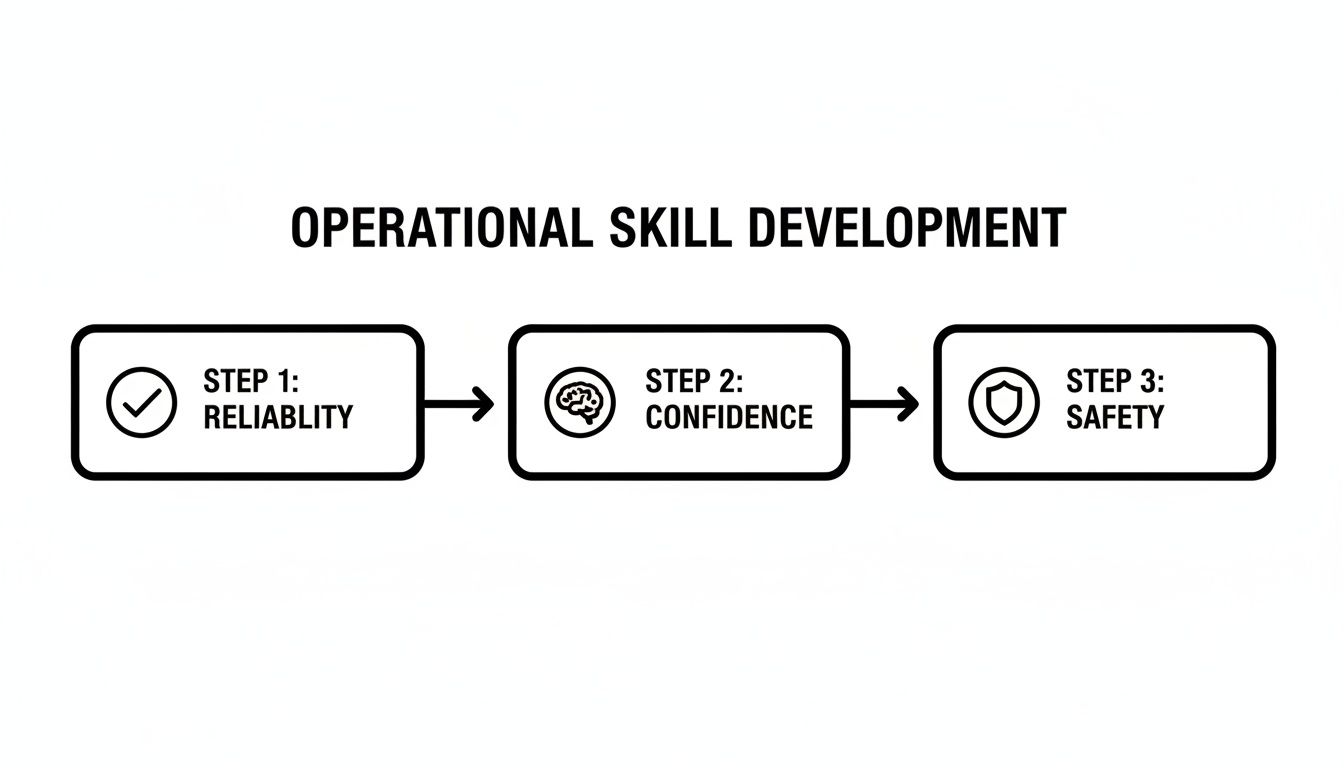
Mastering the mechanics of loading directly impacts reliability, which in turn builds the confidence you need to operate safely and effectively under any condition.
The Correct Loading Technique
Start by holding the magazine firmly in your non-dominant hand. I find it helps to angle the top of the magazine slightly away from my body. With your dominant hand, pick up a cartridge and make sure it’s oriented correctly—bullet facing forward, towards the front of the magazine.
Using the thumb of your dominant hand, press the cartridge down onto the follower just enough to slip it under the feed lips. Once it clears, slide it straight back until it seats firmly against the rear wall of the magazine. You’ll feel and often hear a solid "click" as it settles into place.
Just repeat that process for every round. As you add more, you’ll be pressing down on the round below it to make space. The first few cartridges go in easily, but you'll notice the spring tension building significantly as the magazine gets closer to its full capacity.
Beating Thumb Fatigue and Using Speed Loaders
That thumb-bruising fatigue you feel after loading a few high-capacity mags isn't new. This basic task has been a part of tactical training since the days of the Colt M1911. Today, however, we have better solutions. The global market for gun magazine loaders tells the story—valued at $150 million in 2025, it’s projected to hit $250 million by 2033, growing at a 7% CAGR. This surge is driven by shooters who are tired of slow, painful reloads.
Why the switch? Data from a gun magazine loader market analysis shows that manual loading can cause 15-20% more hand fatigue during high-volume shooting sessions, and a good loader can slash your load time by 50% or more.
When the spring tension really starts fighting you, change up your technique. Instead of using the tip of your thumb, use the stronger base of your thumb for more leverage. Another good trick is to use the base of the new cartridge to help push down the round already in the magazine before sliding the new one into place.
Pro Tip: For those last couple of stubborn rounds, brace the back of the magazine against a hard surface like a table or even your thigh. This stability gives you the leverage needed to seat the final rounds without your thumb slipping.
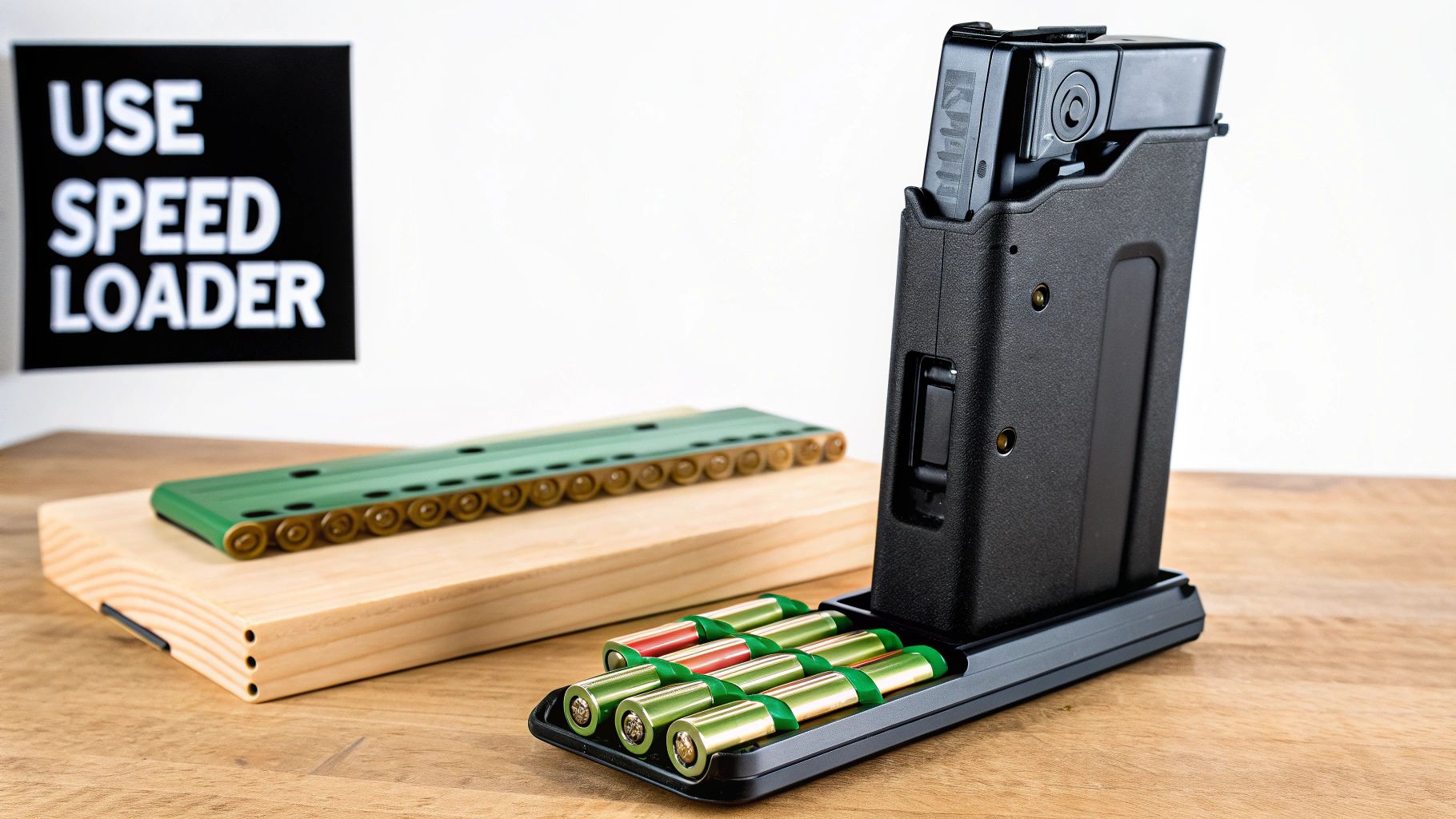
For anyone doing high-volume shooting—whether it's a training course, a competition, or just a long day at the range—a magazine speed loader is a game-changer. These tools are specifically designed to depress the follower or the stack of rounds for you, letting you drop in cartridges with almost no effort.
Manual Loading vs Speed Loader Key Differences
The difference between loading by hand and using a tool becomes immediately obvious once you've tried both. Here’s a quick breakdown of how they stack up.
| Metric | Manual Loading | Using a Speed Loader |
|---|---|---|
| Loading Time | Slower; time increases as spring tension builds | ~50% faster; consistent speed per round |
| Hand Fatigue | High, especially with high-capacity mags | Minimal; a significant reduction in thumb strain |
| Consistency | Can vary; fumbling is common when rushed or tired | High; provides a smooth, repeatable action |
| Efficiency | Low for loading multiple magazines back-to-back | Extremely high; ideal for prepping for events |
| Skill Required | Requires practice to develop strength and dexterity | Very low learning curve; intuitive to use |
A speed loader transforms loading from a tedious chore into a quick, simple task. For any serious shooter, it's not just a convenience—it’s an essential piece of kit.
Getting To Grips With Tubular Magazines and Revolvers
While detachable box magazines get most of the attention these days, knowing your way around other systems like tubular magazines and revolvers is a non-negotiable skill. This is especially true for hunters and anyone who appreciates the classics. These designs have been around forever for good reason, but they demand a different approach to loading—one that rewards a deliberate and practiced hand.
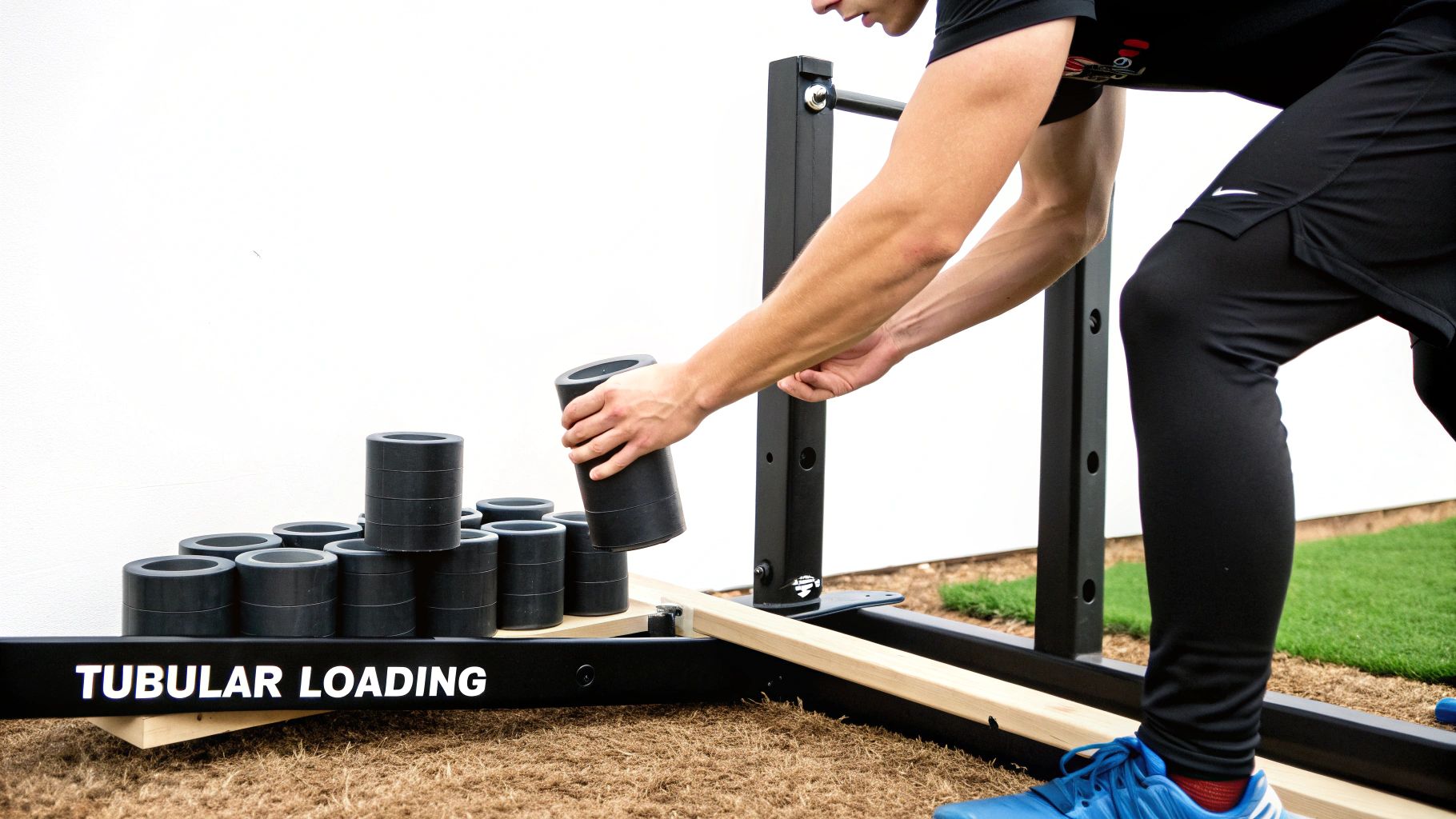
Unlike a box mag you can load at the bench and stash in a pouch, a tubular magazine is built right into the firearm. You’ll find them on most pump-action and semi-auto shotguns, as well as classic lever-action rifles. This means you’re loading ammo directly into the gun, a process that requires your undivided attention and a strict commitment to safety.
The Art of Loading a Tubular Magazine
First things first: always confirm the firearm is unloaded and pointed in a safe direction. Now, find the loading gate. On a shotgun, this is usually a spring-loaded port on the underside of the receiver. On a lever-action rifle, it might be a cutout on the side of the receiver or an opening directly on the magazine tube.
Using your thumb, press a shell or cartridge through the gate, feeling the resistance of the spring. You have to push it in deep enough for the rim to clear the internal shell latch. You'll feel a distinct "click" as the mechanism grabs it.
From there, it's a rhythmic, one-at-a-time process. Keep track of your round count. Knowing your firearm’s specific capacity is key to preventing over-stuffing, which can wreck the spring and lead to frustrating feeding problems down the line.
A common headache with rimmed cartridges in lever-actions is "rim lock"—when the rim of one round slips behind the rim of the one ahead of it, causing a nasty jam. A simple trick is to tilt the rifle slightly as you load, which helps the rounds stack properly and avoid this issue.
Loading a Revolver: Slow and Steady or Fast and Furious
Loading a revolver is a completely different manual of arms, offering a tactile, positive control over every single round. Once you swing the cylinder open, you have a couple of ways to get it done.
- One by One: This is the most straightforward method. You simply drop one cartridge into each chamber of the cylinder. It’s methodical and slow, but it’s a fundamental skill everyone should master.
- With a Speedloader: To reload in a fraction of the time, a speedloader is your best friend. This device holds a full cylinder's worth of ammo, all perfectly aligned. Just guide the bullet tips into the chambers and, with a quick twist or push of a button, all the rounds drop in simultaneously.
Speed strips are another great option. They are flat, flexible carriers that hold cartridges in a single row, making them much easier to conceal than a bulky speedloader. To use one, you peel two rounds off the strip at a time and press them into the chambers. Both tools are absolute game-changers for reload speed once you've put in the practice, making them essential gear for anyone who relies on a revolver for personal defense.
Why a Speed Loader Is Your Best Tactical Advantage
Anyone who's loaded more than a couple of magazines by hand knows the feeling: sore, raw thumbs. But a magazine loader is much more than just a convenience item to save your skin. It’s a genuine tactical and practical advantage. While knowing how to load a mag manually is a non-negotiable skill, relying only on that method puts you behind the curve when speed and efficiency truly matter.
The real value of a loader isn't just about saving a few minutes—it's about maximizing your readiness and performance.
Picture a law enforcement officer gearing up for a shift. They might have a half-dozen magazines to top off. Doing that by hand is tedious and causes fatigue before they've even hit the street. A good speed loader can turn a 15-minute chore into a two-minute task, getting them out the door focused and ready, not frustrated and sore.
Beyond Speed: The Tactical Benefits
Blazing-fast loading is the most obvious benefit, but the practical upsides go much deeper and can have a direct impact on how well your firearm runs.
- Improved Consistency: Loaders push down on the ammunition stack with even, consistent pressure. This ensures every round seats perfectly flat, which can dramatically cut down on malfunctions like "nosedives," where the bullet tip snags on the feed ramp.
- Functionality in Harsh Conditions: Ever tried loading a cold, stiff magazine with frozen fingers or while wearing heavy tactical gloves? It’s a nightmare of fumbled rounds and frustration. A loader’s mechanical advantage makes those environmental challenges a non-issue.
- Reduced Wear on Magazines: Forcing those last few rounds into a high-capacity mag by hand puts a ton of stress on the feed lips. A loader guides rounds in smoothly, protecting the integrity of your expensive magazines for the long haul.
A speed loader is an investment in efficiency. Every minute you save loading is another minute you can spend training, prepping for a stage, or staying operationally ready. It completely changes the logistics of high-volume shooting.
Choosing the Right Tool for the Job
Not all loaders are built the same. The right one for you comes down to your specific needs and how you'll be using it. A simple thumb-saver is perfect for casual range days, but professionals and serious competitors need more capable solutions.
- Simple Assist Loaders: These are small, portable gadgets that slip over the magazine and give you leverage to press the follower down. They're perfect to toss in a range bag.
- Bench Loaders: For competitive shooters or armorers loading dozens of mags at a time, a bench loader is the top dog. These larger units can fill a 30-round magazine in just a few seconds.
The data confirms that magazine loaders are shifting from a "nice-to-have" accessory to an essential piece of kit. The market for pistol loaders is on track to hit $4.5 billion by 2028, and it’s no surprise when you see that shooting sports participation has jumped 15% worldwide since 2019.
Tests have shown loaders can improve reload speed by 28% over manual methods, and their use in training has been connected to a 22% decrease in failure rates. For a deeper dive, you can read the full research on pistol magazine loader market trends.
In the end, a loader isn't just about loading faster; it’s about loading smarter, more reliably, and staying ready for whatever comes next. To complete your loadout, check out our guide on other top tactical gear and accessories you can easily buy online today.
Common Loading Mistakes and How to Fix Them
Even seasoned pros can pick up bad habits. When it comes to loading a magazine, what seems like a tiny shortcut or a minor mistake can snowball into a major reliability problem when you can least afford it. Let's walk through some of the most common fumbles I see and, more importantly, how to correct them.
One of the biggest culprits behind feeding issues is simply putting the rounds in wrong. It sounds basic, but it happens. Every single cartridge has to be seated with the bullet pointing forward, running perfectly parallel with the magazine body. If a round is even slightly angled or nosed-down, it’s going to slam into the feed ramp instead of gliding into the chamber. That's your classic failure-to-feed, and it's almost always preventable.
As you load, make it a habit to feel or see each round seat fully to the rear of the magazine. This simple check keeps the stack neat and aligned, preventing a staggered column of ammo that’s just waiting to cause a jam.
Don't Force It—You'll Break Something
We've all been there: trying to cram that last round into a brand-new, stiff magazine. Fighting it and using brute force is a huge mistake. Pushing too hard, especially with a makeshift tool, is the fastest way to wreck your magazine's feed lips.
Those little metal or polymer edges are precision-engineered. If you bend, dent, or crack them, that magazine is toast. It's no longer a reliable piece of gear and should be pulled from your rotation immediately.
Pro Tip: If a round feels like it's fighting you, stop. The problem might not just be a stiff spring. You could have a damaged follower, a piece of dirt, or a dent in the magazine body. Forcing it will only turn a small problem into a permanent one.
This is exactly why magazine loaders are so valuable. In high-stress drills, we see manual loading fail 5-10% more often, especially when operators are wearing gloves or working in low light. A good loader, on the other hand, gives you consistent, perfect seating every time without putting any stress on the feed lips.
For hunters prepping several high-capacity mags in the cold before sunrise, a loader can cut down on feed-related jams by an incredible 63% in semi-auto rifles. That level of reliability is a game-changer, which explains why these tools dominate the ammunition handling system market.
The Trouble with Over-Loading and Under-Loading
It's always tempting to try and squeeze one more round in, but it’s a recipe for failure. Over-loading a magazine compresses the spring past its design limits, which wears it out fast and leads to feed issues down the road. Even worse, a magazine packed that tight often won't even seat correctly on a closed bolt.
On the flip side, consistently downloading your mags—say, only ever putting 10 rounds in a 30-round magazine—can also cause premature wear on the spring over thousands of cycles. It creates a "memory" in a specific section of the spring, weakening it over time.
And finally, a simple but common gear-killer: dropping your mags. Tossing them onto concrete or rocky ground during training is a hard habit to break, but it's worth the effort. Even the toughest magazines will eventually give in to repeated impacts. Dents, cracked baseplates, and bent feed lips can turn your most trusted piece of kit into an unpredictable liability.
When you do need to work on your firearm for maintenance or repairs, always make sure it's secured properly. Using an AR upper vise block can make the job much safer and prevent damage to your equipment.
Your Top Questions About Magazine Loading, Answered
When you're dealing with firearms, questions are a good thing. They lead to better habits and safer handling. When it comes to something as fundamental as loading magazines, getting straight answers to common hang-ups is key to building confidence and ensuring your gear runs right.
We get a lot of the same questions from shooters, both new and seasoned. Let's break down a few of the most common ones.
How Often Should I Be Cleaning My Magazines?
For your duty or everyday carry magazines—the ones you bet your life on—a solid routine is to give them a full takedown and cleaning every 3-6 months. For your range mags that see a lot of action, just keep an eye on them. Once you see heavy carbon fouling or if you start getting feeding issues, it's time for a scrub.
And of course, if you've been training or operating in rough conditions—sand, mud, heavy dust—don't wait. Clean those mags as soon as you can. Reliability is everything.
Will Keeping My Mags Loaded 24/7 Wear Out the Springs?
This is probably one of the biggest myths in the gun world. The simple answer is no. It's the repeated cycle of compressing and decompressing that wears out a spring, not leaving it compressed. Think of it like a car's suspension—it's the bumps in the road, not the sitting in the garage, that causes wear over time.
You can keep your defensive magazines loaded and ready to go for long periods without worry. That said, it's still good practice to rotate your carry mags every so often, just to give them a rest and check for any issues.
Can I Just Grab Any Speed Loader Off the Shelf?
Absolutely not. Magazine loaders are almost always model-specific. A loader built for a double-stack 9mm Glock magazine is useless for a single-stack 1911 mag, and a loader for an AR-15 won't do you any good with an AK-47.
Trying to force the wrong tool for the job is a great way to damage your magazine’s feed lips, the loader itself, or both. Always verify that the loader you're buying is made specifically for your firearm's magazine and caliber.
What's the Right Way to Unload a Magazine Safely?
First things first: point the magazine in a safe direction.
To unload a typical detachable box mag, just use your thumb. Press down firmly on the top round near the case head, then slide it forward until it clears the feed lips. Do this for every round, one at a time. It's simple and effective.
Whatever you do, don't get impatient and try to pry rounds out with a knife or screwdriver. You'll almost certainly gouge the follower or bend the feed lips, which can ruin the magazine. For tubular magazines on shotguns or rifles, you'll have to cycle the action for each round, always keeping the muzzle pointed in a safe direction and your finger completely off the trigger.
For reliable tactical gear that keeps you mission-ready, from advanced night vision to essential accessories, trust the experts at Superior Tactical LLC. Explore our full catalog and get equipped today at https://superiortac.com.
